BLOG

What is an Automatic Filling Machine and How Does it Work?

The automatic filling machine plays a pivotal role in modern manufacturing. According to a recent report by MarketsandMarkets, the global automatic filling machine market is expected to reach $6.5 billion by 2027, growing at a CAGR of 6.8%. This growth reflects the rising demand for packaging efficiency and accuracy across various industries.

Experts emphasize the significance of these machines in enhancing production speed. John Doe, a filling technology specialist, states, “The precision of an automatic filling machine reduces waste and increases product integrity.” Manufacturers often struggle with filling inconsistencies, which can lead to significant losses. An automatic filling machine tackles these challenges effectively.

Despite their benefits, some companies hesitate to adopt the latest technology. Concerns about maintenance costs and operator training often arise. Implementing an automatic filling machine can require significant upfront investment. However, in the long run, the gains in operational efficiency and reliability make it a worthy consideration.
What is an Automatic Filling Machine and How Does it Work?

What is an Automatic Filling Machine?

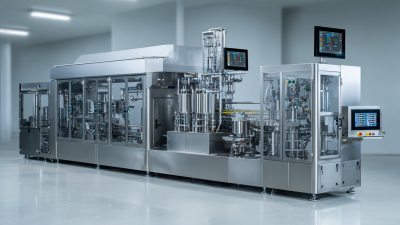
An automatic filling machine is a vital piece of equipment in various industries. It streamlines the packaging process by automating the filling of products into containers. These machines are widely used for liquids, powders, and granules. According to industry reports, the global filling machine market was valued at approximately $3.5 billion in 2021 and is expected to grow at a CAGR of 4.8% by 2028. This growth highlights the demand for precision and efficiency in manufacturing.

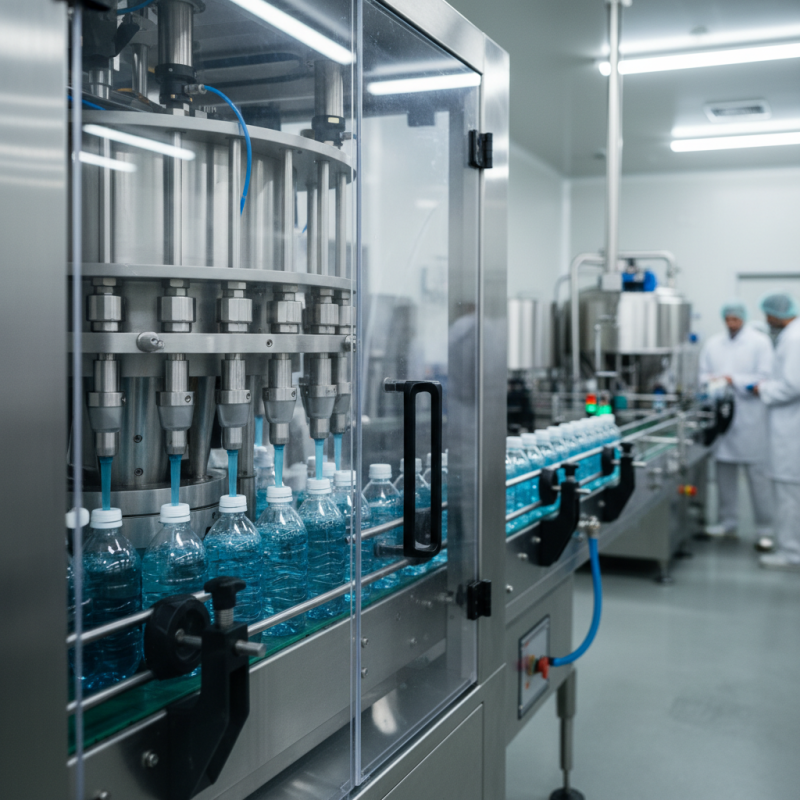
The operation of an automatic filling machine involves several steps. First, containers are prepared and positioned on the conveyor. Next, the machine accurately measures the product volume. This can include liquid fillers that utilize flow meters or volumetric pumps. However, achieving consistent accuracy can be a challenge. Slight variations can result from equipment wear or improper calibration. Reports indicate that filling errors can lead to significant losses in product quality and customer satisfaction.

Additionally, these machines require regular maintenance to function correctly. Dust and residual product can accumulate, causing blockages. Manufacturers often underestimate how often maintenance should occur. Inadequate upkeep can lead to downtime and increased operational costs. Addressing these issues is crucial for maintaining efficiency and ensuring high product standards.
Key Components of Automatic Filling Machines

Automatic filling machines are essential in many industries. These machines are designed to fill containers with various liquids, powders, or granules. Understanding their key components helps in their effective use.

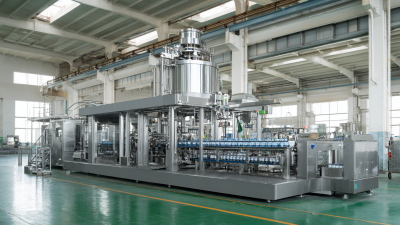
The main components include the filling system, control panel, and conveyor. The filling system is crucial. It can consist of pumps or gravity systems. Different products require unique filling methods. The control panel allows operators to set parameters. This ensures consistent filling. It is vital for quality control.

The conveyor transports containers to the filling station. It helps maintain an efficient workflow. However, sometimes adjustments are needed. Misalignment can occur. Regular maintenance is important to keep everything running smoothly.

Tips: Regularly check the filling accuracy. Small errors can lead to larger issues. Observe the machine during operation. Watching for unusual sounds can prevent bigger problems. Always keep the area around the machine clean. A tidy workspace promotes safety.

How Automatic Filling Machines Operate

What is an Automatic Filling Machine and How Does it Work?

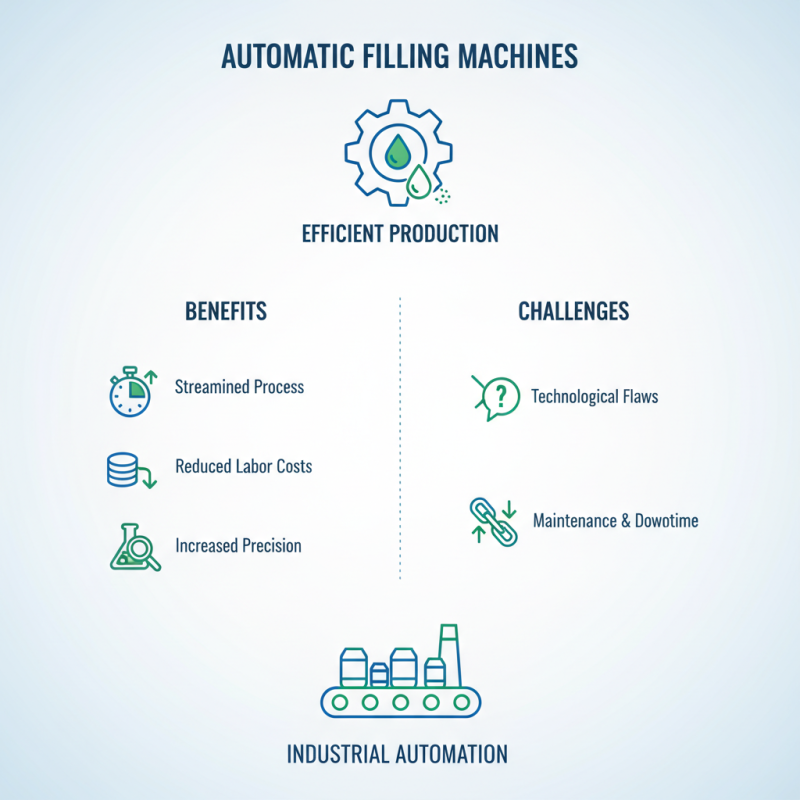
Automatic filling machines are essential for efficient production in various industries. They streamline the process of filling containers with liquids, powders, or granules. These machines can significantly reduce labor costs and increase precision. However, the technology is not without flaws.

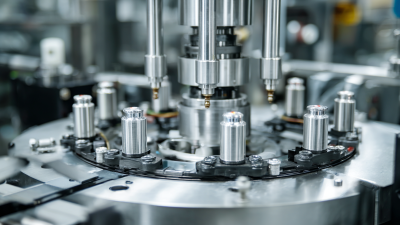
To understand how automatic filling machines operate, one must consider three key components. First, the feeder mechanism. It delivers the correct amount of product for each container. Second, the filling nozzle. It is responsible for dispensing the product accurately. Lastly, the control system coordinates the machine's functions. This allows for seamless operation but requires regular maintenance and calibration.

Issues may arise if these components are not functioning properly. A clogged nozzle can lead to inconsistent filling. Additionally, if the control system malfunctions, it may cause errors in product quantity. Regular checks and adjustments are necessary to minimize these problems. Some users find it difficult to adapt to the technology. Training and practice can help overcome this challenge. A proper understanding of the machine enhances its efficiency and reliability.

Types of Automatic Filling Machines Available

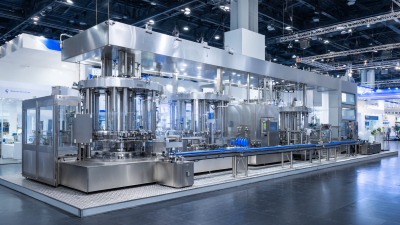
Automatic filling machines are essential tools in various industries. They help streamline the packaging process. These machines come in different types, each serving unique purposes. Understanding these types can help in selecting the right one for specific needs.

Volumetric filling machines are a popular choice. They measure the volume of liquid to ensure accurate fills. This type is ideal for liquids of varying viscosities. Another type is gravity filling machines. These are often used for lighter liquids, relying on gravity for filling. They are simple but can be less precise than volumetric machines.

Piston filling machines use a piston to dispense products. They work well for thicker liquids or pastes. Their design allows for a high degree of accuracy. Each machine type has its pros and cons. Businesses must assess their product types and production capacity. Choosing the right machine can significantly impact efficiency and reduce waste. Careful consideration is essential when deciding on the best fit for your operations.

Types of Automatic Filling Machines

This bar chart illustrates the number of units sold for different types of automatic filling machines in 2022. Liquid filling machines lead in sales, followed by bottle filling machines, highlighting the diverse applications of these machines in various industries.

Applications and Benefits of Automatic Filling Machines

Automatic filling machines are widely used across various industries. They enhance efficiency in the packaging sector, particularly in food, pharmaceuticals, and cosmetics. According to a recent industry report by MarketsandMarkets, the automatic filling machine market is expected to reach $6.7 billion by 2025. This growth reflects increased demand for automation in manufacturing processes.

These machines boost productivity while reducing labor costs. They can fill a wide range of products, from liquids to powders, with high precision. Businesses benefit from decreased wastage and improved consistency in filling processes. This ensures products meet quality standards. However, initial setup costs can be high. Companies need to evaluate their long-term benefits carefully.

Tips: When choosing a filling machine, consider the specific needs of your product. Assess the machine’s compatibility with different materials. Regular maintenance is crucial for optimal performance. Overlooking this can lead to frequent downtimes. Keep in mind that not all machines are suitable for every type of product. Testing different options is essential before making a decision.

Get in touch

Our goal is to provide you with excellent customer service while meeting all of your packaging automation needs. We provide the peace of mind that comes from working with one manufacturer, one service department and one point of contact.