
BLOG

What Is the Best Ceremonial Matcha Powder in 2026?

Choosing the best Ceremonial Matcha Powder in 2026 requires more than trusting attractive packaging. The market includes traditional Japanese producers, newer specialty brands, and products with unclear sourcing. “Ceremonial” also lacks one universally enforced global definition. That matters. A vivid green tin can still hide stale powder, weak flavor, or poor traceability.

This guide examines the details experienced matcha drinkers notice. We will consider growing region, tea cultivar, shading methods, stone milling, harvest timing, and storage conditions. Color should appear bright, fresh, and naturally vibrant. The aroma may suggest sweet grass, young peas, or soft sea air. When whisked, quality matcha should form a fine foam and feel smooth across the tongue. Excessive bitterness is not automatically a sign of strength. It may indicate age, overheating, or unsuitable preparation.

Reliable evaluation also requires checking harvest information, packaging dates, ingredient lists, and independent testing when available. Japanese origin can support authenticity, but it does not guarantee excellent quality. Price offers a useful clue, though expensive powder may reflect branding rather than better tea. I have found that water temperature changes the experience dramatically. Water near 70–80°C often reveals more sweetness than boiling water.

Some judgments remain subjective. One drinker may prefer intense umami, while another wants gentle sweetness. I may also overlook differences between closely related cultivars. That limitation deserves honesty. This overview compares practical evidence, sensory experience, and brand transparency. The goal is not to declare one universal winner. It is to help readers choose a fresh, credible, and enjoyable matcha for daily whisking.
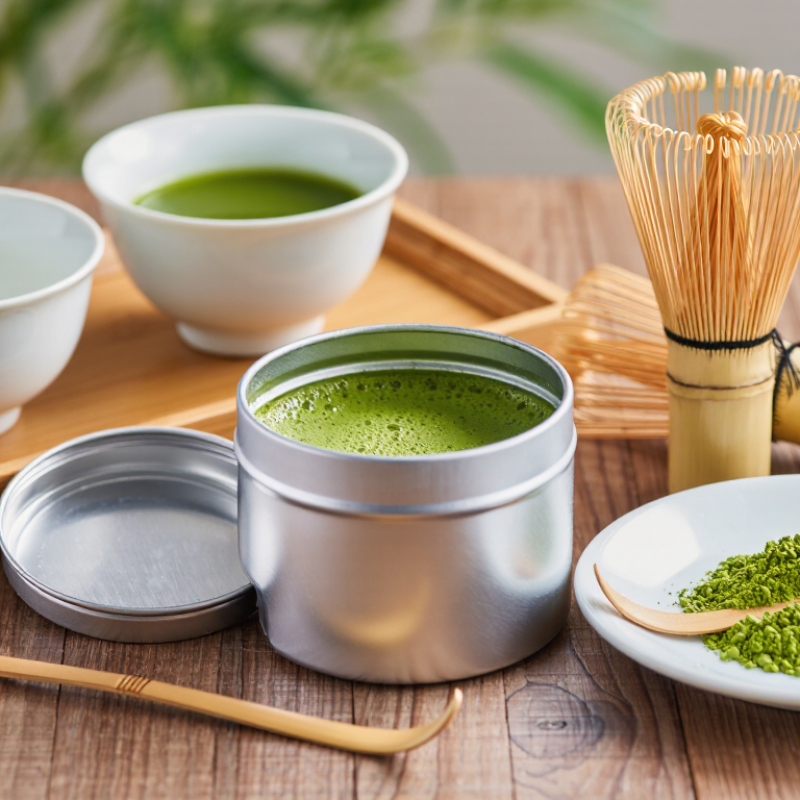
What Is the Best Ceremonial Matcha Powder in 2026?

What Defines a High-Quality Ceremonial Matcha Powder in 2026?

A high-quality ceremonial matcha begins with traceability, not elegant packaging. The Japanese Ministry of Agriculture, Forestry and Fisheries reported tea export value reaching about ¥36.4 billion in 2024. Growing demand increases the need for transparent sourcing. Look for the harvest region, picking season, milling date, and storage conditions. Fresh matcha should appear vivid green, feel silky, and smell like young spinach, steamed grass, or sweet peas. Dull olive color may suggest age or poor storage.

Taste reveals more than color. A strong ceremonial powder should dissolve smoothly, with restrained bitterness, gentle umami, and a clean finish. It should not taste dusty, metallic, or sharply astringent. Shade-grown leaves generally develop more chlorophyll and theanine, but shade duration varies. Therefore, sellers should provide measurable details rather than vague luxury language. The term “ceremonial grade” has no single global legal definition.

Reliable evaluation also requires laboratory evidence. ISO 11287 defines categories for green tea, while food-safety testing should examine pesticide residues, heavy metals, and microbial contamination. The Codex Alimentarius pesticide-residue framework offers internationally recognized reference principles. A certificate of analysis is useful, but its test date and laboratory identity matter. I would not trust a certificate showing only “passed.” That is incomplete. Personal tasting remains valuable, yet it cannot detect contaminants or prove origin. Even experienced buyers can mistake intense bitterness for strength, which is a weakness worth admitting.

What Is the Best Ceremonial Matcha Powder in 2026?

What Defines a High-Quality Ceremonial Matcha Powder in 2026?

Quality Dimension High-Quality Benchmark How to Evaluate It Why It Matters
Tea Cultivar Made from shade-grown tea leaves selected for rich umami, sweetness, and low bitterness. Check whether the cultivar or leaf-selection information is disclosed. Transparent specifications are preferable. Genetics and leaf selection strongly influence aroma, body, color, and amino-acid content.
Shade-Growing Period Approximately 2–4 weeks of shading before harvest is a common quality benchmark. Look for a clearly stated shading period or a credible production specification. Shading can increase chlorophyll and L-theanine while helping create a fuller, less astringent flavor.
Harvest Timing Young, tender leaves from an early harvest are generally preferred for ceremonial-style matcha. Confirm the harvest season and favor products with a traceable harvest date or lot information. Younger leaves typically produce a smoother texture and more refined flavor than mature leaves.
Processing Leaves should be steamed, dried, deveined, and ground into fine powder without oxidation or roasting. Review the processing description and avoid products described primarily as roasted tea powder. Proper processing preserves the fresh green character required for whisked matcha.
Grinding Fineness Very fine, talc-like powder with no visible coarse particles. Rub a small amount between clean fingers or inspect the powder under bright light. Fine particles disperse more evenly, creating a smoother mouthfeel and more stable foam.
Color Vivid green to bright jade green, without dominant yellow, brown, or gray tones. Evaluate the powder in natural or neutral white light. Bright green color usually indicates preserved chlorophyll and limited oxidation, although color alone cannot prove quality.
Aroma Fresh, sweet, grassy, marine, or lightly vegetal aroma; no musty, smoky, sour, or stale smell. Smell the powder immediately after opening and again after whisking. A clean aroma is a practical indicator of freshness and proper storage.
Flavor Balance Noticeable umami and natural sweetness, followed by mild bitterness and restrained astringency. Whisk 1–2 g with approximately 60–70 ml of water at 70–80°C and taste without sweetener. Ceremonial-style matcha should be enjoyable on its own rather than requiring milk or sugar.
Texture and Foam Smooth, full-bodied liquor with fine, persistent bubbles after whisking. Assess the drink for grittiness, clumping, separation, and foam stability. Texture reflects particle fineness, freshness, and preparation performance.
Moisture and Freshness Dry, free-flowing powder with no damp clumps, fading aroma, or stale aftertaste. Check the best-before date, lot date, seal condition, and powder behavior after opening. Moisture, oxygen, heat, and light accelerate flavor and color deterioration.
Purity 100% powdered green tea leaves, with no sugar, milk powder, fillers, flavoring, or coloring. Read the ingredient panel and select products listing only powdered tea leaves. Pure matcha provides the authentic flavor, color, and preparation characteristics expected from ceremonial use.
Safety Testing Batch-level testing or compliance documentation for heavy metals, pesticides, microbes, and other applicable contaminants. Look for accessible certificates of analysis, testing dates, laboratory details, and lot numbers. Tea leaves are consumed as a whole powder, so agricultural and contaminant controls are especially important.
Packaging Airtight, light-resistant, moisture-resistant packaging with a secure inner seal. Inspect the seal, container opacity, storage instructions, and whether the package can be tightly reclosed. Protective packaging slows oxidation and preserves aroma, color, and flavor after opening.
Traceability Clear information about growing region, harvest period, processing method, lot number, and storage conditions. Prefer transparent labeling over vague terms such as “premium” or “ceremonial grade” without supporting details. Traceability makes quality claims more verifiable and supports consistent purchasing decisions.
Best Overall Indicator A fresh, bright-green, finely milled, pure powder with balanced umami, sweetness, low harshness, and credible safety documentation. Use a combination of label transparency, sensory evaluation, freshness checks, and independent testing information. No single feature proves quality; the strongest products perform well across origin, processing, sensory, freshness, and safety criteria.

Practical 2026 selection rule: Choose the matcha that combines verifiable traceability and safety information with a vivid green appearance, fresh aroma, fine texture, balanced umami, and minimal bitterness when prepared with warm—not boiling—water.

How Matcha Origin, Cultivar, and Harvest Season Affect Quality

What Is the Best Ceremonial Matcha Powder in 2026?

Choosing the best ceremonial matcha in 2026 begins with its origin, not its label. Origin affects rainfall, soil drainage, temperature, and farming traditions. Tea grown in shaded Japanese hills often develops deeper umami and a softer finish. Coastal gardens may show brighter, more mineral notes. When I compare matcha, I look for a clear production region and a traceable harvest date. Vague sourcing makes quality harder to verify. A reliable producer should also provide testing information for contaminants and moisture. Transparency matters.

Cultivar changes the flavor noticeably. Yabukita often brings balanced sweetness and gentle bitterness. Okumidori can taste greener, rounder, and more intensely umami-rich. Saemidori may offer a delicate sweetness, but it can feel less powerful in milk. These differences are not strict rules. Farming methods still matter. Shade length, picking standards, steaming, drying, and stone milling can shift the final character. Small details matter.

Harvest season may be the clearest quality signal. Spring-picked tencha usually has fresher aroma, brighter color, and a smoother texture. Later harvests can taste more robust or astringent. I once trusted vivid color too quickly. The powder looked exceptional, yet its aroma faded after whisking. That mistake changed my routine. Now I check aroma, foam stability, mouthfeel, and aftertaste together. Fresh matcha should smell like young leaves, not dry hay. It should dissolve smoothly, though a little natural grit can still appear. Perfect flavor is not guaranteed. Even skilled evaluation has limits.

How to Compare Color, Aroma, Texture, Taste, and Freshness

What Is the Best Ceremonial Matcha Powder in 2026?

The best ceremonial matcha should look vivid, not dull olive. Bright jade usually suggests careful shading and low oxidation, although color alone can mislead. Japan’s Ministry of Agriculture, Forestry and Fisheries reported Japan’s tea production at roughly 70,000 tonnes in recent years. Only a smaller portion becomes tencha, the leaf used for matcha. That limited raw material makes careful sourcing important.

Aroma should resemble fresh grass, peas, sea breeze, or young spinach. Avoid strong hay, smoke, or cardboard notes. Texture matters immediately. Fine powder should feel almost creamy after sifting, without gritty particles between your teeth. I use a fine-mesh sieve and whisk with warm, not boiling, water. Around 70–80°C protects delicate sweetness better than aggressively hot water. Still, temperature preference is personal.

Taste should balance umami, gentle bitterness, sweetness, and a clean finish. A 2024 International Tea Committee bulletin places global tea production above 6.5 million tonnes, but that broad figure cannot prove matcha quality. Freshness needs closer inspection. Check the milling date, sealed packaging, storage conditions, and powder color after opening. Oxygen changes aroma quickly. Refrigeration can help, but condensation can damage the powder. No test is perfect. My own mistake was trusting a brilliant green color without checking the harvest date. Fresh matcha should smell lively when the package opens, then soften into a rounded, savory cup.

What Is the Best Ceremonial Matcha Powder in 2026?

A sensory benchmark for comparing color, aroma, texture, taste, and freshness.

The chart uses a 0–10 reference scale for a high-quality ceremonial profile. Vivid emerald color, a fresh umami aroma, fine texture, balanced taste, and recent packaging are the strongest indicators. Freshness is especially important because light, oxygen, heat, and moisture gradually reduce matcha’s color and aroma.

Which Ceremonial Matcha Powders Suit Different Preparation Methods?

The best ceremonial matcha in 2026 depends on how you prepare it. For traditional usucha, choose a vivid green powder with a fine, talc-like texture. It should dissolve smoothly after sifting. I use 1–2 grams with 60–70 millilitres of water at 70–80°C. A bamboo whisk creates a light foam and reveals sweetness, umami, and mild bitterness. Boiling water can flatten these details. It is a small mistake, but an obvious one.

For koicha, select a richer powder with strong umami and very low astringency. Use less water and knead slowly, rather than whisking aggressively. For iced matcha, a powder with clean aroma and quick dispersion works better. Cold water exposes harshness, so freshness matters. Ceremonial powder can also suit a latte, but this choice is debatable. Milk often hides its delicate character. A less expensive, stronger powder may perform better there.

Grand View Research’s 2024 matcha market analysis projects continued double-digit growth through the decade, increasing pressure on producers and buyers to distinguish quality claims. The Japan Tea Export Promotion Council’s industry data also shows rising overseas demand for powdered Japanese tea. These figures do not prove flavor quality. They do support checking harvest information, origin, milling date, and storage conditions. In my experience, a sealed, opaque package and a fresh grassy scent matter more than attractive grade labels. No powder performs perfectly in every method.

How to Select, Store, and Verify Ceremonial Matcha Powder in 2026

What Is the Best Ceremonial Matcha Powder in 2026?

The best ceremonial matcha depends on freshness, traceability, and preparation. Japan’s Ministry of Agriculture, Forestry and Fisheries reported roughly 4,000 tonnes of tencha production in 2023. That figure shows growing supply, but it does not prove quality. Tencha is the shaded tea leaf used for matcha. Look for 100% matcha, a clear harvest region, a lot number, and a milling date. Bright green powder is useful evidence, not a guarantee. I prefer a fine texture, fresh seaweed-like aroma, and a smooth finish without harsh bitterness.

“Ceremonial” is not a globally fixed legal grade. Treat the word carefully.

Verification requires more than attractive packaging. Request a certificate of analysis when available. It should address heavy metals, pesticide residues, and microbiological safety.

The International Organization for Standardization’s ISO 3103 method also supports consistent tea tasting, although it was not created as a ceremonial-grade label.

A 2024 Grand View Research industry analysis projects strong growth for the global matcha market through 2030, increasing the risk of vague claims and rushed sourcing. Check the producer’s harvest details instead.

Store unopened powder in an airtight, opaque container. Keep it cool and dry. After opening, use clean, dry tools and limit air exposure. Refrigeration can help, but condensation may damage the powder. Let the sealed container warm before opening. I once ignored that step. Moisture appeared. The matcha tasted flat. Use small packs within several weeks, rather than storing a large tin for months.

Get in touch

Our goal is to provide you with excellent customer service while meeting all of your packaging automation needs. We provide the peace of mind that comes from working with one manufacturer, one service department and one point of contact.