5 Best Dual Energy Inspection Systems for Global Buyers
Choosing the right Dual Energy Inspection system requires more than comparing product prices or scanning speeds. Global buyers must examine image clarity, material discrimination, conveyor design, software stability, and service support. A system may detect dense objects well, yet struggle with overlapping materials or irregular packages. That gap matters.
Dr. Richard E. B. Moses, a specialist in X-ray imaging and security inspection, has stated, “Material identification is useful only when the image supports a confident human decision.” This principle remains practical. Dual-energy technology can separate materials by their effective atomic numbers, helping operators distinguish organic, inorganic, and metallic contents. However, performance depends on calibration, image processing, operator training, and package presentation. Technology is not magic.
This guide, “5 Best Dual Energy Inspection Systems for Global Buyers,” focuses on measurable value rather than impressive brochures. Each shortlisted system deserves attention for a different reason. Some offer sharper images. Others provide stronger throughput, easier maintenance, or better integration with warehouse workflows. Buyers should also inspect warranty terms, replacement-part access, training quality, and local technical support.
Real facilities are rarely perfect. Dust accumulates. Packages arrive tilted. Operators work under pressure. These conditions expose weaknesses that laboratory demonstrations may hide. A careful purchasing decision should include site testing, sample scans, and independent performance verification. The final choice should match the inspection environment, not merely the supplier’s ranking. That is where informed judgment still matters.
What Dual-Energy Inspection Systems Are and How They Work
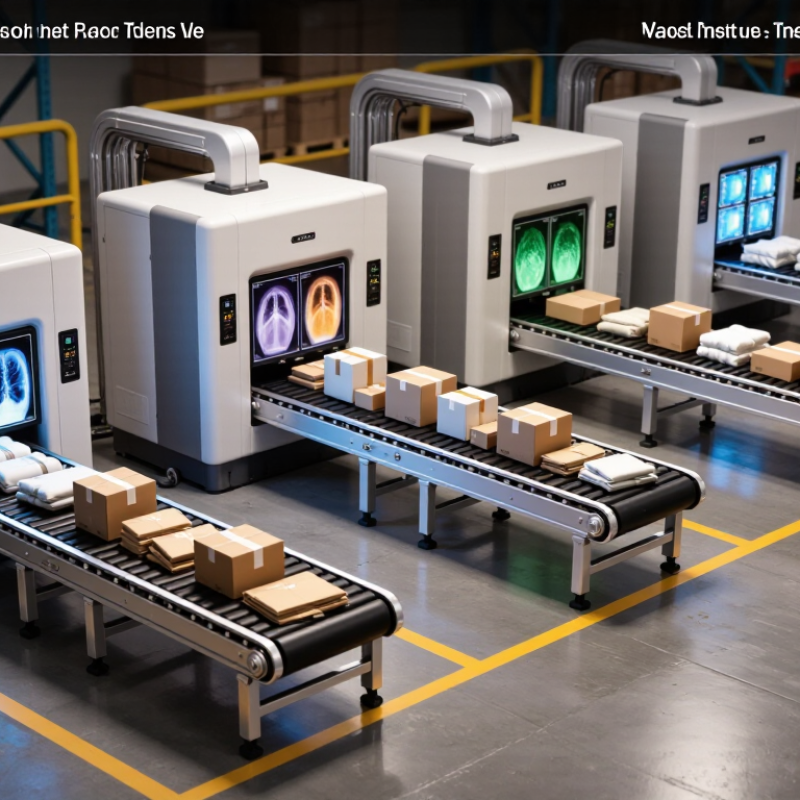
Dual-energy inspection systems use X-rays at two energy levels to examine objects without opening them. Unlike single-energy scanners, they compare how different materials absorb each beam. This helps distinguish materials with different densities and atomic compositions. The image is not a photograph. It is a calculated map. Dense areas may appear darker, while software assigns contrasting colors to help operators interpret material groups. In practical inspections, this difference can reveal overlapping items that one energy level might display as a single shape.
A typical system includes an X-ray generator, conveyor, detector array, processing software, and operator display. The lower-energy beam shows surface detail. The higher-energy beam penetrates thicker sections. Software then compares attenuation values from both signals. Accurate calibration is essential. A dirty belt, uneven loading, or poor alignment can reduce image quality. No system is perfect. Field testing often exposes weaknesses that brochures leave out, especially with irregular shapes, mixed materials, or crowded packages.
Global buyers should assess tunnel size, conveyor speed, image resolution, maintenance access, and software usability. Ask suppliers to inspect representative test samples before purchase. Verify electrical requirements, operator training, service response, and applicable safety certifications for each destination market. Data handling also deserves attention when inspection images leave the machine. This part is often underestimated. It should not be. Dual-energy technology supports faster decisions, but trained operators still need to question unclear images and adjust procedures when real operating conditions change.
Key Features of the Five Leading Inspection Systems
Leading dual energy inspection systems now combine material discrimination, high-resolution imaging, and automated threat detection for demanding global operations. Their core strength is comparing low- and high-energy X-ray absorption. This helps operators distinguish organic, inorganic, and mixed-density materials. Effective systems also provide adjustable image enhancement, rapid conveyor scanning, and clear interfaces for new users. Small details matter. A bright display can reduce missed regions during long shifts.
The five leading system types usually differ in detector design, software intelligence, and workflow flexibility. Look for stable calibration across temperature changes and consistent image quality at different belt speeds. Multi-view imaging can reduce blind spots around dense or overlapping items. Modern platforms may support encrypted data storage, audit trails, remote diagnostics, and exportable inspection records. These features help buyers manage documentation across multiple sites and regulatory environments. Practical testing remains essential. A specification sheet cannot reveal every operational weakness.
Experienced buyers should examine maintenance access, training time, spare-part availability, and service response. Systems with automatic alerts may improve consistency, but excessive alarms can slow production. Operators still need clear procedures and regular performance checks. I would also test image readability after several hours, not only during a short demonstration. No system is perfect. A reliable choice balances detection performance, operator confidence, integration costs, and long-term support rather than chasing the highest advertised resolution.
Performance Comparison: Imaging, Detection, and Scanning Speed
Global buyers should compare five dual-energy inspection configurations: compact conveyor units, checkpoint scanners, parcel tunnels, oversized-cargo systems, and mobile modular platforms. Their value differs sharply across imaging, detection, and scanning speed. Dual-energy imaging separates materials by effective atomic number, producing clearer color contrast than single-energy views. However, clearer images do not automatically mean better detection. Operator training, calibration, and software settings still matter.
The 2024 ACI World Airport Traffic Forecasts project global passenger traffic to reach 18.4 billion by 2042. That pressure makes throughput important. TSA reported screening more than 904 million travelers in 2024, showing why slow alarm resolution can disrupt entire lanes. Compact systems may support faster routine flow, while oversized-cargo units usually sacrifice speed for larger tunnel dimensions. Check the full belt cycle, not only the advertised scan time. A few seconds lost during loading can become several minutes during peak demand.
Detection performance needs controlled testing. Buyers should request certified test-piece results, image archives, false-alarm rates, and uptime records. The European Civil Aviation Conference testing framework is a useful reference for consistent evaluation. Compare penetration, spatial resolution, material discrimination, and alarm review time under identical conditions. A high-resolution image may still be difficult to interpret. That is the uncomfortable part. Vendor specifications can look precise, yet real performance changes with package density, conveyor loading, maintenance, and human decisions. Independent acceptance testing remains essential.
Industry Applications and Suitability for Global Buyers
5 Best Dual Energy Inspection Systems for Global Buyers
Dual energy inspection systems serve different industries, so “best” depends on the product, line speed, and risk profile. Food processors often need systems that detect bones, stones, glass, and dense plastic inside sealed packs. Pharmaceutical manufacturers require stable imaging, precise reject control, and easy cleaning around sensitive production areas. Packaging companies may prioritize wide tunnels, high throughput, and reliable detection across mixed carton sizes. These applications demand different performance settings.
For parcel and baggage inspection, image clarity and continuous operation are important. Operators need readable density separation without slowing the conveyor. Recycling and material-processing facilities may choose systems that distinguish materials by effective atomic number. This supports more consistent sorting of dense contaminants. Global buyers should compare energy separation, detector resolution, belt speed, tunnel dimensions, and software controls. Local electrical standards and radiation-safety documentation also matter.
Real-world suitability depends on more than a brochure. A system may detect tiny contaminants in laboratory tests but perform differently with wet products, overlapping packs, or vibrating conveyors. That gap deserves attention. Buyers should request sample testing with their own products and packaging. They should also examine calibration routines, operator training, maintenance access, spare-part availability, and remote support across time zones. Independent compliance records improve confidence, but they do not replace site validation. The most practical choice is usually the system that fits the full production environment, not the one with the highest headline specification.
5 Best Dual Energy Inspection Systems for Global Buyers - Industry Applications and Suitability for Global Buyers
| Rank | System Type | Typical Dual-Energy Configuration | Primary Industry Applications | Typical Throughput | Material Discrimination | Best Suitability for Global Buyers | Main Considerations |
|---|---|---|---|---|---|---|---|
| 1 | Compact Conveyor X-ray System | Low-energy dual spectrum, typically around 80/140 kVp; tunnel openings commonly 400–600 mm wide and 250–400 mm high. | Food processing, pharmaceutical packaging, small parcels, personal care products, and light manufacturing. | Approximately 20–60 m/min, depending on product size and inspection settings. | Effective separation of organic, inorganic, and mixed-density materials in relatively uniform products. | Excellent Suitable for SMEs, export-oriented factories, and facilities with limited floor space. | Limited penetration for dense or oversized products; product positioning and stable conveyor loading are important. |
| 2 | Medium-Tunnel Parcel Inspection System | Dual-energy transmission imaging, commonly using approximately 100/160 kVp; tunnel dimensions generally range from 600 × 400 mm to 800 × 600 mm. | Courier hubs, postal centers, e-commerce fulfillment, airport cargo, and customs parcel screening. | Typically 1,000–2,500 parcels per hour, depending on parcel mix and operator workflow. | Good differentiation of low- and high-atomic-number materials, supporting detection of concealed organic and metallic items. | Excellent Well suited to international logistics operators needing scalable parcel screening. | Performance can decrease with overlapping parcels, thick shielding materials, or irregular package orientation. |
| 3 | Large-Tunnel Pallet and Freight Scanner | Medium-to-high-energy dual spectrum, often around 160/320 kVp; tunnel openings commonly measure 1,000–1,800 mm wide and 1,000–1,800 mm high. | Warehousing, distribution centers, air cargo, manufacturing logistics, and palletized export shipments. | Approximately 20–80 pallets per hour, depending on pallet density, conveyor design, and image review requirements. | Suitable for identifying density anomalies and separating organic, inorganic, and metallic contents in mixed cargo. | Very Good Appropriate for global supply chains handling varied pallet sizes and export documentation requirements. | Requires greater installation space, stronger radiation shielding, and trained operators than parcel systems. |
| 4 | High-Resolution Food and Pharmaceutical Inspection System | High-resolution dual-energy imaging, typically around 80/140 kVp, with line rates optimized for continuous production lines. | Processed food, meat, seafood, dairy, nutraceuticals, tablets, capsules, and sealed pharmaceutical products. | Commonly 30–120 m/min; actual speed depends on product type, inspection sensitivity, and rejection equipment. | Strong detection capability for foreign bodies such as glass, stone, bone, dense plastic, and metal fragments. | Excellent Especially suitable for buyers requiring hygienic design, traceability, and integration with quality-control systems. | Must be validated for the specific product density and packaging format; cleaning, calibration, and reject verification are essential. |
| 5 | High-Energy Drive-Through Cargo Inspection System | Dual-energy high-energy X-ray imaging, commonly using approximately 3–6 MeV accelerator ranges; designed for vehicles, containers, and oversized freight. | Ports, border crossings, customs control, military logistics, bonded zones, and strategic freight inspection. | Approximately 20–80 vehicles per hour, depending on vehicle dimensions, scanning mode, traffic control, and image analysis procedures. | High penetration through dense cargo with useful material classification for identifying anomalies hidden inside vehicles or containers. | Specialized Best for governments, ports, and large logistics operators with high security and customs-screening demands. | Highest capital cost and infrastructure requirements; strict radiation-safety licensing, site planning, and operator certification are necessary. |
Note: Performance figures are typical industry ranges and should be confirmed against the buyer’s product density, package dimensions, local radiation regulations, required detection sensitivity, and line-integration conditions.
How to Choose the Right Dual-Energy Inspection System
Choosing the right dual-energy inspection system starts with the material, not the catalogue. Define the products, packaging, density range, and line speed before comparing specifications. Dual-energy imaging can separate materials by effective atomic number, but performance changes with product thickness and overlapping layers. Test real samples whenever possible. Clean samples are not enough.
Image quality matters, yet higher resolution does not always mean better inspection. Ask for measurable detection results, stable image processing, and clear operator controls. Review false alarms during normal production, not only during demonstrations. A system that stops the line repeatedly may create more cost than it prevents. Small details matter.
Check conveyor dimensions, environmental protection, maintenance access, and integration with existing controls. Confirm that calibration procedures are documented and practical for your technicians. Data security, audit trails, and local compliance records should be reviewed before purchase. Service response time also deserves careful attention. An impressive system can become a weak investment without dependable support.
Allow time for operator training. People may miss subtle image differences during busy shifts. A short trial can expose this weakness early. Do not rely on one test image. Compare several products, packages, and operating speeds, then record the results. Some decisions remain imperfect because production conditions change. That is worth acknowledging before signing a purchase agreement.