BLOG

10 Best Liquid Packaging Machines for Global Buyers?

Choosing the right liquid packaging machine is rarely a simple price comparison. Global buyers must examine product viscosity, container shape, filling accuracy, cleaning procedures, and production speed. A water bottle, shampoo pouch, and hot sauce jar demand different machine designs. One machine rarely fits every factory.

Packaging author Walter Soroka described packaging as “the science, art, and technology of enclosing and protecting products for distribution, storage, sale, and use.” His observation remains useful when evaluating modern liquid packaging machine systems. A reliable machine should protect the liquid, reduce waste, and support consistent sealing. It should also suit local power conditions, operator skills, and available technical support.

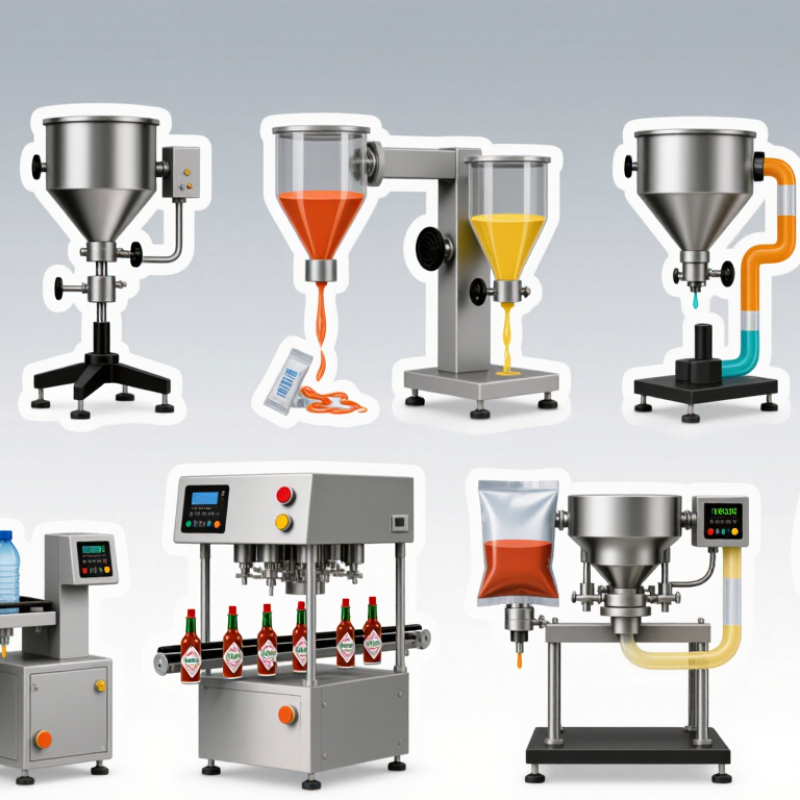
This guide reviews ten leading options for international purchasers. It considers piston fillers, gravity fillers, peristaltic systems, sachet machines, and rotary lines. Practical details matter. Can the nozzle stop dripping? Does the control panel show clear error messages? Can operators remove product-contact parts without special tools? These small points affect daily output.

Specifications can look impressive. Factory reality can be less generous. A machine rated for 120 bottles per minute may slow considerably with thick products or frequent changeovers. Buyers should request sample testing, cleaning demonstrations, and verified references. They should also question unclear claims. The best liquid packaging machine is not always the fastest model. It is the one that delivers dependable results, safe operation, and manageable ownership costs across its working life.

10 Best Liquid Packaging Machines for Global Buyers?

Liquid Packaging Machines: Types, Functions, and Global Applications

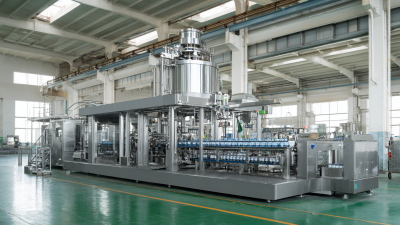
Liquid Packaging Machines Liquid packaging machines support filling, capping, sealing, labeling, and inspection across global production lines. Their designs vary by liquid behavior. Gravity fillers suit thin liquids, while piston systems handle sauces, creams, and other viscous products. Peristaltic pumps can reduce contamination risks in sensitive applications. Form-fill-seal equipment combines container forming and filling in compact lines.

According to Grand View Research, the global liquid packaging market was estimated at USD 428.9 billion in 2023, with projected growth through 2030. Smithers’ Future of Global Packaging and Printing to 2028 forecast the wider packaging market to reach USD 1.38 trillion by 2028. These figures show strong demand, but market size does not decide machine suitability. Product viscosity, foam, temperature, container shape, and cleaning requirements matter more on the factory floor.

Food, beverage, cosmetics, household products, and regulated healthcare manufacturing use different machine configurations. Sensors can monitor fill levels, while servo controls improve repeatability and reduce product waste. Hygienic stainless-steel frames and clean-in-place systems are valuable for frequent product changes. Small details matter. A fast filler may create excessive foam or inaccurate doses. Plant trials remain essential before purchasing. Published forecasts are estimates, not guarantees, and even experienced buyers can overlook maintenance access, local power standards, or operator training.

Key Criteria for Comparing Liquid Packaging Machines

10 Best Liquid Packaging Machines for Global Buyers?

Choosing among the 10 best liquid packaging machines requires more than comparing prices or advertised speed. Buyers should match the machine with liquid viscosity, container shape, fill volume, and production targets. A water-like product may need a different pump than a thick cream. I have seen test samples expose problems that brochures never mention. Ask for a filling trial using your actual liquid and containers. Measure accuracy across several cycles, not just one successful run.

Key criteria include dosing accuracy, changeover time, cleanability, and material compatibility. Stainless steel contact parts should suit the product and cleaning method. Check whether operators can remove valves without special tools. Review sealing performance after transport vibration and temperature changes. Electrical standards, guarding, manuals, and documentation also matter for international installation. Local technical support can reduce delays, although response promises should be verified in writing. A fast machine is not always the best machine.

Tips: Record real output during a full shift. Include setup, cleaning, small stoppages, and rejected containers. Compare total operating cost, not only purchase price. Ask about spare-part availability in your destination market. Test the interface with your operators; complicated controls invite mistakes. I would also leave room for uncertainty. Product behavior can change with temperature, and early trials may not reveal every issue. That is why a documented acceptance test remains essential.

Ten Leading Liquid Packaging Machines for International Buyers

Ten leading liquid packaging machines serve different production realities. Piston fillers handle thick sauces, while gravity fillers suit free-flowing water. Overflow fillers create consistent bottle levels. Peristaltic fillers reduce product contact. Rotary fillers support high-speed lines. Sachet machines suit single-use portions. Pouch machines manage flexible formats. Capping machines protect closure quality. Labeling machines improve traceability. Checkweighers detect filling variation. These ten categories deserve comparison, not blind ranking.

Mordor Intelligence estimates the liquid packaging market will grow from about USD 458 billion in 2024 to USD 605 billion by 2029. Its forecast suggests a compound annual growth rate near 5.7%. PMMI’s 2024 industry outlook also highlights labor shortages and flexible automation as persistent purchasing concerns. For international buyers, servo-driven changeovers can reduce setup effort. Tool-less adjustment matters when operators change bottle sizes daily. I have seen small alignment errors create repeated leaks.

A reliable machine needs more than speed. Buyers should verify filling accuracy, cleaning access, spare-part availability, and technical support across borders. Food-contact documentation, electrical certification, and multilingual manuals reduce commissioning risks. Viscosity, foaming, temperature, and container shape must guide the specification. No machine is perfect. A faster line may waste more product during startup. A cheaper system may require costly format changes. Report figures guide planning, but factory trials reveal the uncomfortable details.

10 Best Liquid Packaging Machines for Global Buyers

This chart compares common liquid packaging machine categories using representative mid-range operating values. Throughput is shown in containers per minute, while filling accuracy is shown as a percentage. Actual performance depends on liquid viscosity, container size, filling volume, automation level, and production conditions.

Machine Selection by Product, Container, and Production Scale

Selecting among the 10 best liquid packaging machines starts with the product, not the machine’s advertised speed. Thin water-like liquids often suit gravity or overflow fillers. Thick sauces, creams, and syrups need piston or servo-driven systems. Particles require wider product paths and carefully sized valves. Foaming liquids need gentle filling and controlled speed. Test the real formula at different temperatures. Viscosity can change during a shift.

The container shapes the filling method. Small PET bottles may need neck guides and low-pressure handling. Glass containers require stable conveyors and soft contact points. Pouches need accurate positioning before filling and sealing. For a 250 ml bottle, even a small volume error becomes visible on the shelf. Check nozzle clearance, cap placement, and label space during trials. Do not trust catalog dimensions alone.

Production scale determines automation and maintenance demands. A small workshop may benefit from a four-head semi-automatic filler with simple adjustments. A high-volume line may require synchronized feeding, filling, capping, and inspection. In factory evaluations, buyers should record output per minute, changeover time, rejected containers, and cleaning duration. Electrical compatibility matters across countries. So does spare-part availability. A machine that runs quickly but stops often is not efficient. I have seen teams overestimate future demand and purchase excessive automation. That choice can create unused capacity, complex training, and expensive downtime. Test several batches before approving the final configuration.

Global Purchasing Factors: Standards, Support, and Total Cost

10 Best Liquid Packaging Machines for Global Buyers?

Global buyers should compare compliance before comparing speed. ISO 12100 supports machine risk assessment, while IEC 60204-1 guides electrical safety. Food-contact parts also require evidence under relevant national regulations. A supplier should provide material certificates, hygienic design details, validation records, and clear change-control procedures. The 2024 PMMI State of the Industry report identifies uptime, labor pressure, and system integration as major packaging investment concerns. These findings make remote diagnostics and simple operator training practical priorities, not decorative features.

Total cost extends beyond the purchase order. The U.S. Department of Energy reports that compressed-air leaks can waste 20–30% of compressor output. Ask for air consumption per cycle, cleaning time, planned maintenance hours, and expected spare-part life. Support must include response targets, local technicians, training hours, and a documented critical-spares list. The 2023 World Bank Logistics Performance Index compares logistics across 139 economies, reminding buyers that delivery reliability differs sharply by region. A machine may be excellent, yet difficult parts access can damage production.

Tips: Request a five-year cost model. Include energy, labor, changeovers, validation, freight, and downtime. Test real containers, viscosities, and filling volumes before approval. Do not trust brochure speed alone. A small pilot may reveal awkward cleaning points or unstable dosing. Those weaknesses are valuable evidence, not failure. Recheck every assumption with plant operators.

10 Best Liquid Packaging Machines for Global Buyers? – Global Purchasing Factors: Standards, Support, and Total Cost

Rank Machine Type Best Application Typical Product Viscosity Typical Output Range Typical Fill Accuracy Suitable Containers Key International Standards and Compliance Factors Typical Utility Requirements Relative Purchase Cost Major Total-Cost Factors Global-Buyer Support Checklist
1 Servo-Driven Piston Filler High-accuracy filling of sauces, creams, pastes, oils, detergents, and other medium-to-high-viscosity liquids. Approximately 1,000–100,000 mPa·s, depending on pump, nozzle, and product temperature. About 20–120 containers/minute, depending on fill volume and number of nozzles. Commonly about ±0.5% to ±1.0% under controlled conditions. Jars, bottles, pouches, cans, and rigid containers from approximately 50 mL to 20 L. CE or applicable local marking Food-contact materials Electrical safety Guarding and emergency stop Compressed air is often required; electrical supply must be matched to the destination country. Heated hoppers may be needed for temperature-sensitive products. Medium to high Servo system, piston-cylinder material, cleaning time, spare seals, change parts, and product waste during start-up. Request container trials, filling samples, multilingual manuals, remote commissioning, spare-parts lists, and operator training.
2 Flowmeter-Based Filler Precise filling of water-like beverages, chemicals, solvents, and hygienic products where product-contact parts should be minimized. Approximately 0.5–5,000 mPa·s, depending on flowmeter technology and conductivity. About 30–250 containers/minute for compatible low-viscosity products. Commonly about ±0.2% to ±0.5% of the measured volume when correctly calibrated. PET bottles, glass bottles, cans, and other rigid containers, commonly 100 mL to 5 L. Electrical compatibility Hygienic design Food or chemical-contact compliance Calibration documentation Usually electrical power and product supply pressure; compressed air may be needed for valves and handling systems. High Flowmeter calibration, software licensing, conductivity limitations, product temperature effects, and sensor replacement. Confirm product conductivity, calibration method, local service availability, software language, and remote diagnostics.
3 Overflow Filler Level-consistent filling of transparent bottles for beverages, cosmetics, household chemicals, and personal-care liquids. Typically 1–2,000 mPa·s, with best results on free-flowing products. About 20–160 containers/minute, based on bottle geometry and nozzle count. Usually about ±0.5% to ±1.5%; visible fill level is the primary benefit. Transparent or semi-transparent bottles with consistent internal geometry, commonly 100 mL to 5 L. Hygienic construction Food-contact compatibility Machine guarding Electrical safety Compressed air is commonly required; product tank height and stable product supply are important. Medium Product foaming, bottle tolerances, recovery tank cleaning, nozzle maintenance, and changeover time. Test the exact bottle and product, verify foam control, obtain cleaning procedures, and confirm local technician response times.
4 Gravity Filler Cost-conscious filling of low-viscosity, non-carbonated products such as water, thin chemicals, and simple cleaning liquids. Approximately 0.5–100 mPa·s. About 15–100 containers/minute. Commonly about ±1.0% to ±2.0%, depending on tank level and product properties. Rigid bottles and containers, commonly 100 mL to 5 L. Basic machine safety Electrical safety Chemical compatibility Food-contact materials where applicable Low utility demand; electrical power and, on automatic models, compressed air for actuators. Low Lower initial cost but potentially higher product loss, slower output, and greater sensitivity to temperature and viscosity changes. Confirm tank-level control, container stability, local voltage, corrosion resistance, and availability of simple mechanical spare parts.
5 Peristaltic Pump Filler Small-batch or hygienic filling of pharmaceuticals, cosmetics, biotechnology products, and sensitive liquids. Approximately 1–10,000 mPa·s, depending on tubing and pump configuration. About 5–80 containers/minute. Commonly about ±0.5% to ±1.0% after calibration. Vials, bottles, ampoules, tubes, and small containers from approximately 1 mL to 1 L. Hygienic design Single-use or cleanable product path Traceability records Electrical safety Usually electrical power; clean-room or controlled-environment installations may require specified air quality and HVAC conditions. Medium to high Recurring tubing cost, tubing compatibility, pump-head wear, calibration, and validation documentation. Request material certificates, tubing-life data, validation support, batch-record options, and replacement-tubing availability.
6 Net-Weight Filler High-accuracy filling of variable-density liquids, bulk containers, lubricants, chemicals, and industrial products. Approximately 1–100,000 mPa·s, subject to pump and nozzle selection. About 5–60 containers/minute. Commonly about ±0.1% to ±0.5% of target weight when scales are properly calibrated. Pails, cans, drums, bottles, jerrycans, and intermediate bulk containers. Legal-for-trade requirements where applicable Load-cell calibration Machine guarding Chemical compatibility Electrical power; compressed air is common for automatic valves. Hazardous-area installations may require specially certified components. Medium to high Load-cell calibration, pump wear, weighing-platform cleaning, hazardous-area components, and slower filling rates. Confirm calibration certificates, target-weight range, hazardous-area classification, local metrology rules, and service coverage.
7 Auger or Screw-Dosage Liquid Filler Controlled dosing of semi-liquid, particulate, or shear-sensitive products that do not flow consistently by gravity. Approximately 2,000–200,000 mPa·s, depending on formulation and screw design. About 10–80 containers/minute. Commonly about ±1.0% to ±2.0%; product consistency strongly affects results. Jars, tubs, bottles, and wide-mouth containers, commonly 50 mL to 5 L. Food-contact materials Hygienic design Guarding Electrical safety Electrical power; heated hoppers or agitators may be needed for products that settle or thicken. Medium Custom screw tooling, hopper cleaning, product shear, agitator energy use, and changeover complexity. Provide formulation data, particle-size information, temperature range, cleaning requirements, and product-trial results.
8 Monoblock Filling and Capping Machine Integrated filling and capping for compact production lines handling beverages, cosmetics, sauces, and household liquids. Approximately 0.5–10,000 mPa·s, depending on the integrated filler. About 20–180 containers/minute. Filling accuracy commonly about ±0.5% to ±1.5%; cap torque must be separately controlled. Rigid bottles, jars, and specialty containers with compatible closures. Machine safety and guarding Food-contact compatibility Electrical conformity Torque verification Electrical power and compressed air are common; layout must allow product, cap, and container handling access. High Integrated controls, capper tooling, format parts, downtime impact, sanitation access, and line balancing. Request a complete layout, format-change procedure, cap-torque data, factory acceptance testing, and operator training.
9 Aseptic or Hygienic Filling System Extended-shelf-life dairy alternatives, beverages, liquid foods, and products requiring a controlled hygienic filling environment. Typically 0.5–10,000 mPa·s, depending on the product and thermal process. About 20–300 containers/minute, depending on system design. Commonly about ±0.5% to ±1.0%, with additional process-control requirements. Sterile bottles, cartons, pouches, cups, and specialty containers. HACCP-based controls Food-contact compliance Clean-in-place capability Validated sanitation procedures Higher demand for clean utilities, filtered air, water, steam or chemical sanitation, drainage, and controlled room conditions. Very high Utilities, validation, sanitation chemicals, production downtime, skilled technicians, and periodic requalification. Require hygienic design documentation, sanitation validation, commissioning support, spare-parts planning, and local regulatory guidance.
10 Flexible Pouch Form-Fill-Seal Machine Single-use or portion packaging for sauces, beverages, detergents, gels, and liquid or semi-liquid consumer products. Approximately 1–20,000 mPa·s, depending on filling system and film structure. About 20–180 pouches/minute, depending on pouch size and sealing configuration. Commonly about ±1.0% to ±2.0%; sealing quality is equally important. Flat pouches, sachets, stick packs, and shaped pouches, often 5 mL to 2 L. Food-contact film compliance Seal-integrity testing Electrical safety Packaging-waste requirements Electrical power and compressed air are common; stable film storage and temperature control are required. Medium to high Film consumption, sealing-jaw wear, format tooling, rejected packs, print registration, and film-material availability. Test the intended film structure, pouch dimensions, seal strength, print registration, local film supply, and remote troubleshooting process.

Note: Performance ranges are typical planning values for industrial equipment and vary with product formulation, temperature, container geometry, fill volume, nozzle configuration, automation level, and local regulatory requirements. Buyers should confirm final specifications through product trials, compliance documentation, and a total-cost-of-ownership quotation.

Get in touch

Our goal is to provide you with excellent customer service while meeting all of your packaging automation needs. We provide the peace of mind that comes from working with one manufacturer, one service department and one point of contact.