How to Choose the Best Automatic Filling Machine for Your Business?
Choosing the right automatic filling machine is crucial for any business involved in packaging. According to industry expert John Miller, "The right machine can transform your efficiency and product quality." His insights shed light on the significance of selecting a machine that meets specific needs and production demands.
When considering an automatic filling machine, one must evaluate various factors, including speed, precision, and compatibility with different product types. Many businesses overlook the importance of these features. Failing to understand the requirements can lead to poor investment decisions. A suitable machine can enhance productivity and minimize waste.
Additionally, the choice of an automatic filling machine should consider future scalability. As your business grows, the filling machine should adapt to increased demands. Expertise in this field can significantly influence purchasing decisions. Balancing speed and accuracy is not easy, yet essential for long-term success. Keeping all these aspects in mind will help in making a well-informed choice.
Understanding the Different Types of Automatic Filling Machines Available
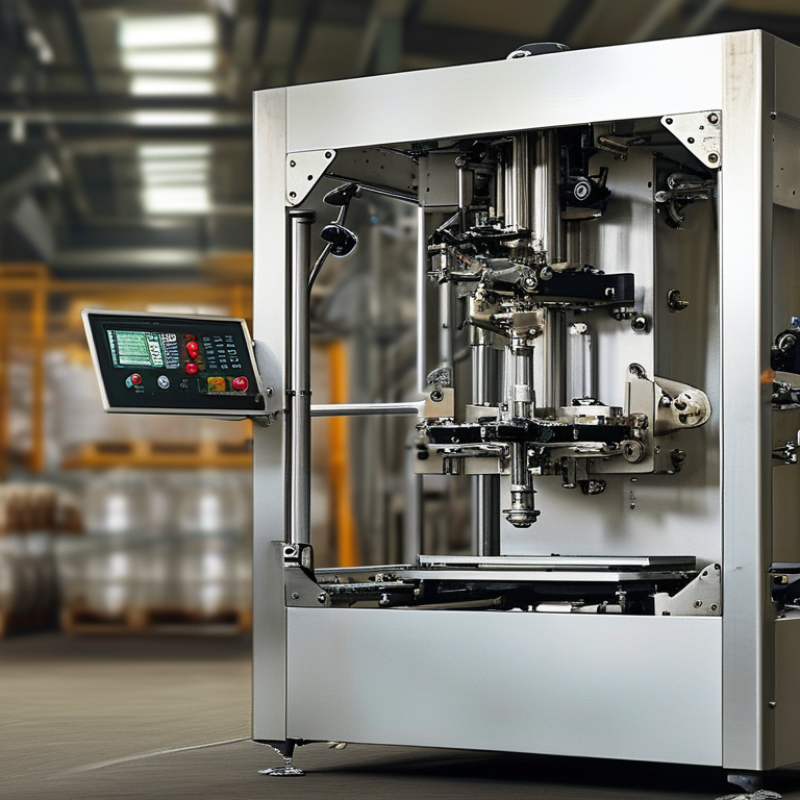
When selecting an automatic filling machine, it’s essential to understand the various types available. Each type serves a unique purpose and can dramatically affect your production efficiency. For example, volumetric fillers accurately dispense liquids based on volume. They are suitable for many industries, but might struggle with thicker products.
Another option is gravity filling machines. These are reliable for thin, free-flowing liquids. However, they may not be the best choice for more viscous substances. Consider your product’s characteristics when making a decision.
Tips: Assess your product’s viscosity and flow rate. This will help pinpoint the machine that best fits your needs. Don't hesitate to consult with a packaging expert. They can provide valuable insights based on their experience.
Pressure filling machines offer a different approach by using pressure to control the flow. These machines are ideal for carbonated beverages but can be unsuitable for delicate liquids. Evaluate how your choice aligns with your product’s specifications. Choosing the right type can impact not just the production process but the overall quality and customer satisfaction.
Automatic Filling Machines Types and Their Popularity
Evaluating Production Requirements: Speed, Volume, and Product Type
Choosing the right automatic filling machine starts with understanding your production requirements. Speed is crucial. Fast production lines need machines that can keep pace. Look for options that can handle high throughput without sacrificing accuracy.
Volume also plays a vital role. Consider your average daily output. Machines come in various capacities. Some handle small batches; others are built for large-scale production. Proper alignment with your volume requirements can prevent costly downtime.
**Tips:** Always assess the machine’s adaptability to different product types. If you're filling liquids, powders, or pastes, ensure compatibility. This minimizes issues and maximizes efficiency.
Test before committing to a purchase. Request samples or demos. This way, you can observe the machine in action. Remember, not all machines excel in every aspect. It’s normal to discover limitations during this phase. A thoughtful evaluation process can aid in making the best choice for your business.
Key Features to Look for in Automatic Filling Machines
When selecting an automatic filling machine for your business, it’s important to consider key features that align with your operational needs. One essential aspect to evaluate is the machine’s fill accuracy. Precision ensures product consistency, which is crucial for maintaining quality. A reliable machine can significantly reduce waste due to overfilling or underfilling.
Another feature to examine is the machine's adaptability to various container types. Businesses often change product lines. Machines that can handle multiple formats provide flexibility and save time. Look for tools that offer easy adjustments for different bottle sizes. This adaptability can impact productivity positively but requires time for proper setup and calibration.
Speed is vital, too. A faster filling rate can increase overall output. However, rushing may compromise quality and lead to more maintenance issues. Balance between speed and reliability is critical. Finally, consider the machine’s ease of cleaning. In industries with strict hygiene standards, a machine that is complicated to clean could lead to compliance challenges. Each of these elements requires thoughtful reflection to find the best fit for your business needs.
Comparing Costs: Initial Investment vs. Long-Term Savings
When considering an automatic filling machine, cost is a key factor. The initial investment can be significant. Prices vary based on machine capabilities. Some businesses opt for cheaper models to save upfront. However, this decision may lead to higher long-term expenses. Lower-quality machines can break down often, resulting in costly repairs and downtime.
In contrast, investing in a reliable, higher-end machine can yield savings over time. These machines typically offer greater efficiency and longevity. Businesses report reduced labor costs and less product waste. This decision requires careful thought. Without a thorough analysis, you risk overspending or compromising efficiency.
Regular maintenance is another aspect to consider. It ensures the machine operates optimally. Neglecting this can lead to additional costs. Sometimes, businesses focus too much on the initial price tag. They overlook the long-term savings that a better machine provides. Assessing your production needs helps in making an informed choice.
Industry Standards and Compliance: Ensuring Quality and Safety
When selecting an automatic filling machine, industry standards and compliance are crucial. These regulations ensure safety and quality in production processes. According to a report by Global Market Insights, the automatic filling machine market is expected to exceed $8 billion by 2027. Adhering to the standards can significantly enhance product reliability and consumer trust.
Quality control plays a vital role. Machines must comply with standards such as ISO 9001 and relevant FDA guidelines. These certifications ensure that the machinery is capable of producing consistent and safe outcomes. Neglecting compliance can lead to costly recalls or legal issues. A study shows that up to 30% of companies face delays in production due to non-compliance.
Tips: Always verify suppliers' compliance documents. Consider hiring experts to assess your machinery. Regular audits can help maintain compliance and improve safety protocols. Continuous training for your staff on these standards is essential. Emphasizing a culture of quality will benefit your business long-term.
Related Posts
-
Exploring Top Alternatives to the Best Filling Machine for Efficient Production
-
Exploring Liquid Filling Machine Innovations at the 138th Canton Fair 2025
-
Chinese Excellence in Liquid Packaging Machines for Global Buyers
-
The Comprehensive Handbook to Choosing the Best Filling Machine for Your Business Needs
-
Exploring Innovative Alternatives to the Best Automatic Filling Machine
-
Unlocking Quality: Your Guide to Sourcing the Best Horizontal Packaging Machine Suppliers