
BLOG

How to Choose the Best Debris Bag in 2026?

Choosing the Best Debris Bag in 2026 requires more than comparing prices or printed weight ratings. Construction waste volumes are rising, and disposal efficiency now affects project cost, labor, and environmental performance. The U.S. Environmental Protection Agency estimates that American construction and demolition activities generated about 600 million tons of debris in 2018. That figure was more than twice the amount of municipal solid waste generated that year. Globally, the United Nations Environment Programme reported in its 2024 Global Waste Management Outlook that municipal waste could grow from 2.3 billion tonnes in 2023 to 3.8 billion tonnes by 2050. Small choices matter.

A reliable Debris Bag should match the material, load weight, handling method, and working environment. Lightweight woven polypropylene bags may suit dry drywall, leaves, and packaging scraps. Heavier rubble needs reinforced seams, stronger lifting loops, and better puncture resistance. A sharp tile edge can defeat a large bag quickly. So can careless loading. The bag’s stated capacity is not the same as its safe working load, especially when wet soil or concrete fragments are involved. Check both specifications.

Field experience also exposes an uncomfortable point: the biggest bag is not always the most efficient choice. Oversized bags can become unstable, difficult to move, or unsafe near lifting equipment. Product claims deserve verification through technical datasheets, manufacturer testing, and independent certifications where available. This guide compares those details carefully, while recognizing that site conditions vary. No single Debris Bag fits every project. The right choice is practical, documented, and slightly conservative.
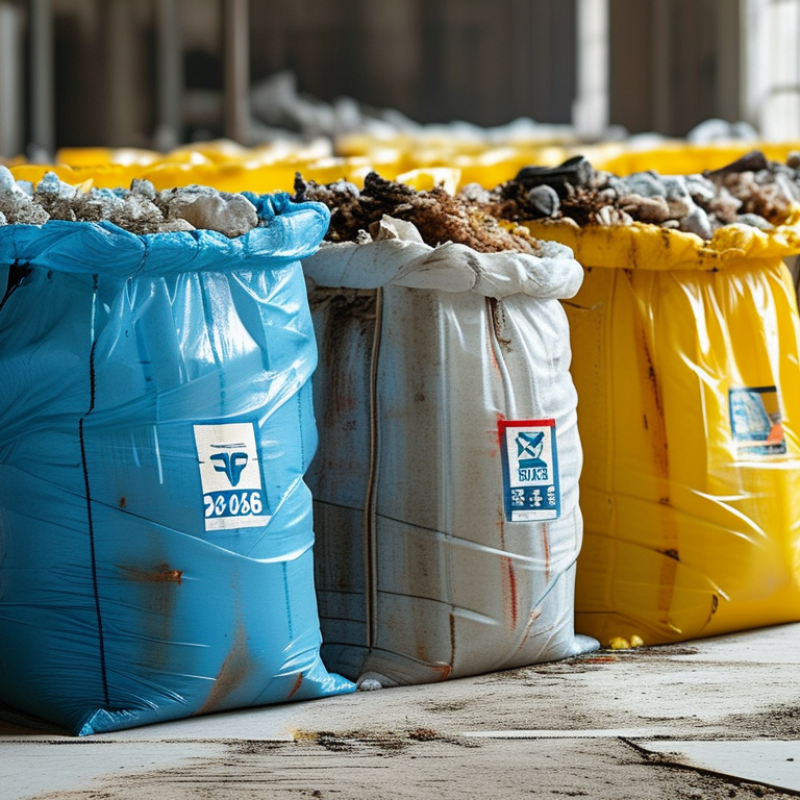
How to Choose the Best Debris Bag in 2026?

What Is a Debris Bag and What Is It Used For?

How to Choose the Best Debris Bag in 2026?

What Is a Debris Bag and What Is It Used For?

A debris bag is a flexible container for collecting renovation, gardening, and construction waste. It holds broken drywall, wood scraps, leaves, packaging, and small masonry pieces. Unlike ordinary trash bags, it usually has reinforced fabric, stronger seams, and lifting loops. A bag is a tool, not a magic solution.

The U.S. Environmental Protection Agency estimated 600 million tons of construction and demolition debris in 2018. That volume shows why controlled collection matters. Choose a bag according to the waste, not only its advertised size. Woven polypropylene suits sharp, heavy fragments better than thin plastic. Yard waste needs breathability and generous volume. Wet material can become unexpectedly heavy. I have seen people fill a large bag too quickly, then struggle with its handles.

Safety deserves attention. The U.S. Bureau of Labor Statistics recorded 1,069 fatal work injuries in construction and extraction occupations during 2023. A bag cannot prevent every accident, but sensible loading reduces strain and tearing. Check the stated load rating, seam quality, handle position, and closure method. Keep glass, protruding metal, and dusty material contained. Do not overfill. Place heavy debris at the bottom, and keep the bag upright on stable ground. If the label is unclear, the safer choice is a smaller load and more trips.

Which Debris Bag Materials and Designs Suit Different Jobs?

Choosing the best debris bag in 2026 depends on the material, load, and working environment. A bag for dry leaves should not handle broken tile or wet soil.

For routine yard cleanup, woven polypropylene offers a practical balance of strength and weight. Its flexible weave handles branches without tearing easily. Choose a wide opening for rakes and bulky grass clippings. A drawstring closure helps during transport, but it may loosen when overfilled. That happened during one of my garden cleanups.

For construction debris, select a heavy-duty woven bag with reinforced seams and lifting loops. Sharp wood splinters and small masonry pieces can cut thin plastic quickly. A laminated inner surface helps resist moisture, although it can make the bag less breathable. Never treat lifting loops as unlimited handles. Check the stated load rating and keep the weight below it.

Indoor renovation work needs a different design. A compact bag with sturdy side handles fits narrow hallways and stairways. For plaster dust, a lined bag reduces leakage around the opening. Paper-based options can suit clean, dry waste, but they weaken around spilled water. I once chose one for a damp garage job; that decision was poor. Material labels are useful, yet real conditions can expose their limits. A thicker bag is not always better if workers cannot carry it safely.

How to Choose the Right Debris Bag Size and Weight Capacity?

Choosing the Best Debris Bag in 2026

The right debris bag starts with its size and weight capacity, not its appearance. A large bag can hold bulky material but may fail under dense loads. I once filled a seemingly suitable bag with broken concrete and underestimated the total weight. The handles strained before the volume looked full. That mistake changed how I judge capacity.

Measure the debris before buying. Estimate both its volume and density. Dry branches need space, while soil, tiles, and masonry create heavy loads quickly. Choose a bag with a rated capacity above your expected weight, leaving a safety margin of at least 20 percent. Do not rely on the bag’s maximum volume alone. Weight matters more.

Check the bag’s base dimensions, opening size, lifting points, and fabric strength. A wide opening helps with awkward boards and uneven pieces. Reinforced seams are valuable when sharp edges are present. Avoid packing debris above the fill line, even if the bag still appears stable. It may shift during lifting. Follow the stated capacity and disposal requirements in your area.

A smaller bag can be safer.

My own judgment is still imperfect. Debris moisture, hidden metal, and uneven loading can change the final weight. When uncertain, use two smaller bags instead of one overloaded container. That choice costs more effort, but it usually improves handling and reduces preventable damage.

How to Choose the Best Debris Bag in 2026? - How to Choose the Right Debris Bag Size and Weight Capacity?
Typical debris-bag options for household cleanup, landscaping, renovation, and light construction work
Bag Category Typical Flat Dimensions Approximate Volume Recommended Working Load Suitable Debris Recommended Material and Features Handling Guidance
Small Cleanup Bag 24 × 32 in
(61 × 81 cm)
20–33 gal
(76–125 L)
Up to 20 lb
(9 kg)
Paper, packaging, dust, small household waste, and light office or garage debris Low- to medium-density polyethylene; drawstring or reinforced top edge Best for easy lifting and short-distance carrying. Do not use for sharp metal, masonry, or wet soil.
Standard Contractor Bag 30 × 36 in
(76 × 91 cm)
33–55 gal
(125–208 L)
20–40 lb
(9–18 kg)
Drywall scraps, carpet pieces, wood offcuts, packaging, and general renovation waste Heavy-duty polyethylene, typically about 2–3 mil thick; leak-resistant construction A practical general-purpose size. Distribute sharp pieces evenly and avoid overfilling.
Large Yard-Waste Bag 33 × 48 in
(84 × 122 cm)
55–75 gal
(208–284 L)
30–50 lb
(14–23 kg)
Leaves, grass, weeds, hedge trimmings, small branches, and bulky lightweight waste Reinforced polyethylene or woven polypropylene; wide opening and stable base preferred Use for bulky but relatively light materials. Wet leaves and soil can exceed the safe load quickly.
Extra-Large Cleanup Bag 36 × 60 in
(91 × 152 cm)
75–100 gal
(284–379 L)
40–60 lb
(18–27 kg)
Large amounts of lightweight insulation, cardboard, foliage, textiles, and non-sharp renovation debris Heavy-gauge polyethylene or woven polypropylene; reinforced seams and four-point lifting straps Choose this size when volume is the main concern. Two-person lifting may be safer when the contents are dense.
Heavy-Duty Rubble Bag Approximately 35 × 50 in
(89 × 127 cm)
50–75 gal
(189–284 L)
50–75 lb
(23–34 kg)
Broken tile, small concrete fragments, bricks, plaster, and mixed renovation rubble Woven polypropylene or extra-heavy polyethylene; abrasion resistance and reinforced lifting loops Use only when the bag is specifically rated for rubble. Keep sharp edges away from the walls and do not drag the bag.
Reusable Bulk Debris Bag 35 × 35 × 35 in
(89 × 89 × 89 cm)
Approximately 250 gal
(946 L)
500–2,000 lb
(227–907 kg), depending on rating
Large-volume soil, sand, gravel, green waste, and construction materials Woven polypropylene with lifting loops; select a bag with a clearly stated safe working load Requires compatible lifting equipment and a stable, level loading surface. Never exceed the printed safe working load.
The dimensions, volumes, and working-load ranges shown are typical planning values rather than universal specifications. Actual capacity depends on bag construction, material thickness, seam strength, moisture, debris density, lifting method, and the manufacturer’s stated safe working load. When size and weight conflict, choose the bag based on the lower rated limit and leave room for secure closure.

What Safety, Durability, and Environmental Features Should You Check?

Choosing a debris bag in 2026 requires more than checking its advertised capacity. On renovation sites, I have seen thin bags split when a sharp tile edge meets a stressed seam. Look for a clearly stated load rating, reinforced lifting loops, and double-stitched or heat-sealed seams. A flat, stable base helps prevent tipping on uneven floors. Check whether the closure keeps dust contained during carrying and loading.

Safety details deserve close attention. The material should resist punctures, tearing, moisture, and ultraviolet exposure when bags remain outdoors. Handles must feel secure, not merely look strong. Examine testing information, warning labels, and instructions from the manufacturer. Reliable documentation is more useful than vague claims such as “industrial strength.” Keep glass, metal, and heavy rubble within the listed limits. Never assume a larger bag can safely carry more weight.

Environmental features also matter. Consider recycled content, reduced packaging, and designs that use less material without sacrificing strength. A reusable bag can lower waste, but only if it survives repeated handling. Ask whether damaged bags can enter an accepted recycling stream locally. Disposal rules vary, and green-looking packaging proves little. I once chose a lighter option to reduce plastic use, then replaced it twice after seam failures. That was not a real improvement. A practical choice balances verified durability, safe handling, and a realistic end-of-life plan.

How to Compare Debris Bags by Cost, Reusability, and Disposal Needs?

Choosing a debris bag in 2026 means comparing its full use cycle, not only its shelf price. A cheap bag can become expensive after one split on rough concrete. Check capacity, fabric weight, seam strength, and safe load rating. A one-cubic-yard bag may suit light drywall, while dense soil needs a stronger option. Measure the debris before buying. Small details matter.

For repeated projects, reusability changes the calculation. I once rinsed a woven bag after garden work and found grit trapped inside its seams. It dried slowly and developed an odor. My first comparison was too simple. Count cleaning time, storage space, and the number of likely uses. A reusable bag is valuable when it folds easily, has reinforced lifting loops, and survives handling without fraying. Avoid reusing bags with torn seams or weakened handles. Safety comes before savings.

Disposal needs can also decide the best choice. Check whether your collection service accepts flexible bags, bulky loads, or construction debris. Some areas require sorting, weight limits, or special handling for dusty materials. Keep sharp metal, wet waste, and heavy rubble separated when possible. A liner may reduce leakage, but it can also add cost and disposal volume. Record the bag price, transport fee, cleaning effort, and replacement rate. Then compare the real cost per completed load, not the shelf price.

Article Source:

Get in touch

Our goal is to provide you with excellent customer service while meeting all of your packaging automation needs. We provide the peace of mind that comes from working with one manufacturer, one service department and one point of contact.