How to Choose the Best Sachet Filling Machine?
Choosing the best sachet filling machine requires more than comparing prices, speeds, or attractive specifications. The right decision connects product characteristics, packaging materials, factory conditions, and long-term operating costs. A machine that performs well with dry powder may struggle with viscous liquids or irregular granules. Small details matter, including seal temperature, film tracking, dust control, and the ease of cleaning around the dosing system.
Industry data shows why this decision deserves careful attention. PMMI’s Packaging Machinery Economic Report identifies food and beverage demand as a major influence on packaging equipment investment, with automation and labor efficiency remaining important priorities. Smithers’ reports on the global flexible packaging market also highlight continued demand for lightweight, material-efficient formats, including small portion packs. Meanwhile, Food Processing’s equipment research frequently emphasizes sanitation, quick changeovers, and reliable production data. These findings support a practical view: a sachet filling machine must be evaluated as part of a complete packaging line, not as an isolated purchase.
Experience on the factory floor often reveals problems that brochures hide. Ask for verified output using your actual product and film. Check seal strength after several hours of continuous operation. Measure waste during startup and format changes. A perfect choice does not exist. Some published performance figures are ideal laboratory results, not daily production results. Therefore, buyers should compare trials, maintenance access, service response, and total cost per sachet. This guide explains the key criteria, helping manufacturers choose equipment with clearer expectations and fewer expensive surprises.
What Is a Sachet Filling Machine and How Does It Work?
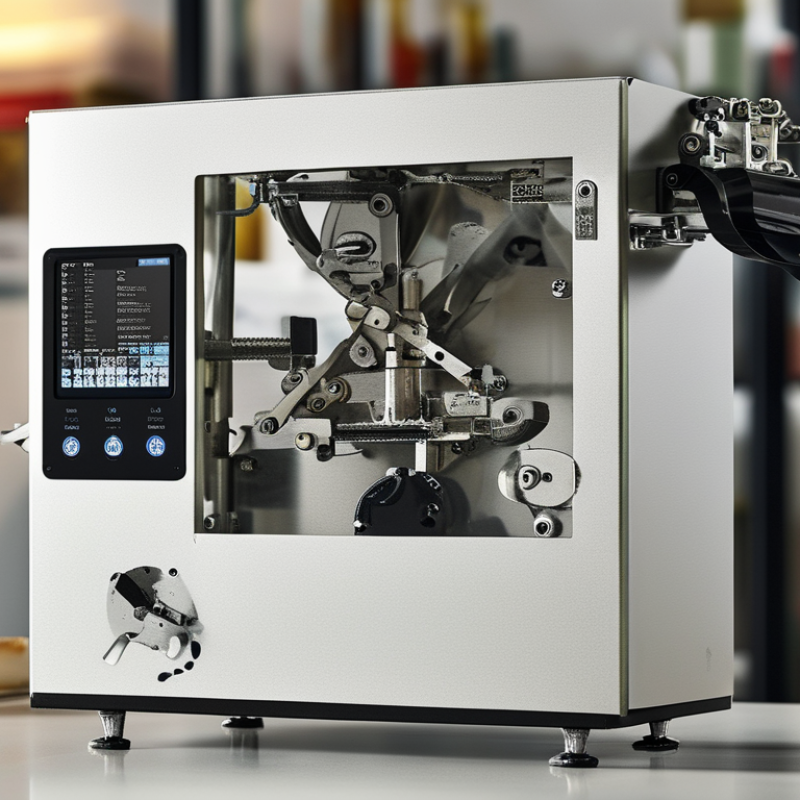
A sachet filling machine forms, fills, and seals small packages from a continuous roll of film. It is commonly used for powders, granules, liquids, and creams. Simple in principle. A film roll unwinds through forming collars, creating a tube or pouch shape. Sensors guide registration marks, while dosing components measure each portion. Heat or ultrasonic sealing then closes the edges and cuts individual sachets.
For powder, an auger or volumetric cup controls the dose. Liquid products usually require a piston or pump system. Viscous products need wider passages and careful temperature control. The machine may also print dates, check film tension, and reject poorly sealed packs. From production-floor observations, stable film feeding often matters as much as filling speed. A fast machine with uneven sealing creates expensive waste. That detail is easy to underestimate.
When choosing equipment, match the dosing method to the product’s flow, density, and viscosity. Check the target sachet size, fill tolerance, sealing range, and changeover time. Ask for test runs using your actual material, not a similar sample. This can reveal dust, dripping, bridging, or weak seals. I would also inspect cleaning access and verify the control system’s records. No machine is perfect. Operators still need training, routine checks, and realistic maintenance intervals.
Identify Your Product and Packaging Requirements
Choosing the best sachet filling machine starts with the product, not the machine speed. Powder, granules, liquids, and pastes behave differently during dosing. A fine powder may bridge inside the hopper, while a liquid can drip before sealing. Record product density, particle size, viscosity, moisture sensitivity, target fill weight, and acceptable weight variation. Also define the sachet format, film structure, seal temperature, and required shelf life. Small details matter.
Grand View Research valued the global flexible packaging market at about USD 267.7 billion in 2023, with continued growth expected through 2030. This expansion increases pressure for efficient, accurate, and material-conscious equipment. Your machine should match realistic output, not an impressive catalogue figure. For example, test whether the dosing system maintains accuracy at both 30 and 90 sachets per minute. A practical commissioning lesson is simple: sample the product before choosing the filler. The specification is rarely perfect on the first draft. Allow room for correction.
Moisture-sensitive products may need controlled feeding and barrier film. Dusty products may require extraction near the filling point. Liquid products often need anti-drip nozzles and stable pump control. According to Smithers’ flexible packaging market research, lightweight structures and improved material efficiency remain important industry trends. However, thinner film can make sealing less forgiving. Ask for trials using your actual product and film. Request documented results for fill accuracy, seal strength, changeover time, cleaning access, and reject rates. Speed is useful. Consistency is essential.
Compare Machine Types, Speeds, and Filling Accuracy
How to Choose the Best Sachet Filling Machine?
The right sachet filling machine depends on product form, target speed, and acceptable filling variation. Powder products often use auger fillers, while free-flowing granules suit volumetric cup systems. Liquids usually require piston or pump fillers. Each design behaves differently during production.
Speed can look impressive on a specification sheet. It may not match real output. Film changes, cleaning time, product dust, and operator adjustments can reduce running speed. A machine rated for 120 sachets per minute may deliver less under practical conditions. Faster is not always better. Stable production matters more.
Filling accuracy protects both costs and customer trust. Ask for test runs using your actual product. Check average weight, variation, and rejected sachets across several hours. Small errors can become expensive at high volume. I would also inspect the dosing system, load cells, sealing area, and control settings. One weak section can limit the entire machine. A careful comparison should include changeover time, maintenance access, and calibration procedures, not only purchase price.
Tips: Test at three speeds. Record every weight. Compare results after cleaning. Confirm whether accuracy changes when the hopper level falls. Keep sample sachets from each trial; they reveal problems that numbers may hide.
How to Choose the Best Sachet Filling Machine?
Comparison of typical production speed and filling-weight deviation by machine type. Lower deviation indicates higher filling accuracy.
Auger and liquid-pump systems are commonly selected for powders and liquids when consistent dosing is important.
Volumetric-cup machines are suitable for free-flowing granules, while multi-lane systems deliver the highest output
when large production volumes justify greater equipment complexity. Actual results depend on product properties,
sachet size, formulation, and machine settings.
Evaluate Materials, Sealing Systems, and Automation Features
How to Choose the Best Sachet Filling Machine?
Material compatibility should guide the machine choice. Powder, liquid, and granules behave differently during dosing. Fine powder may bridge inside the hopper. Sticky liquids can leave residue around the forming tube. Ask for trials using your actual material, film structure, and target weight. A laboratory test is more reliable than a brochure.
Sealing performance deserves equal attention. Check heat-seal temperature, pressure, dwell time, and jaw alignment. According to PMMI’s 2023 State of the Industry report, U.S. packaging machinery shipments reached $10.2 billion in 2022, rising 6.3% year over year. This investment reflects demand for faster, more dependable packaging lines. However, speed alone can mislead. A machine producing 300 sachets per minute is not efficient if seals leak or film wrinkles. Test seal strength, opening force, and reject rates during continuous operation.
Automation should remove repetitive decisions, not hide poor setup. Look for servo-driven dosing, automatic film tracking, recipe storage, and alarms with clear causes. The International Federation of Robotics reported 4.28 million industrial robots operating worldwide in 2023. That figure supports the value of automation, but small sachet lines still need skilled operators. Choose accessible controls and simple changeover procedures. Remote monitoring sounds impressive. It may add little value without stable data and trained staff. Leave room for improvement. Your first specification will probably change after real production trials.
Check Maintenance, Safety, Costs, and Supplier Support
Choosing the best sachet filling machine starts with maintenance, not appearance. Inspect the sealing jaws, dosing system, sensors, and film path closely. Can operators reach these parts without removing half the machine? Quick access reduces downtime during cleaning and adjustments. Ask for a maintenance schedule with daily, weekly, and monthly tasks. Replacement seals, belts, and sensors should be easy to identify. Small parts cause large delays.
Safety needs practical verification. Look for guarded moving components, emergency stops, clear electrical panels, and controlled access during servicing. The machine should support safe cleaning and product changeovers. Dust control also matters in dry production areas. Request test records, risk assessments, and operator training materials. A confident supplier explains failures, not only successful demonstrations. That matters.
Purchase price is only one cost. Calculate film waste, energy use, compressed-air demand, labor, spare parts, and changeover time. A cheaper machine may become expensive after six months. Check whether common formats require different tooling. Ask about warranty limits, technical response times, remote support, and local service capability. Confirm that manuals are clear and spare parts remain available for years. Supplier support should include installation, commissioning, training, and performance checks. Do not accept vague promises. I would also request a factory acceptance test using your actual product and packaging material. It may reveal feeding problems that a polished demonstration hides. Mistakes are useful when they happen before delivery.

 English
 Français
 Español
 Deutsch