What is a Gunny Bag Making Machine and How Does It Work?
The Gunny Bag Making Machine plays a crucial role in the packaging industry. As global demand for sustainable products rises, this machine's importance is amplified. According to industry reports, the global market for woven polypropylene bags, often produced by these machines, is projected to grow significantly, reaching USD 6.8 billion by 2025.
The Gunny Bag Making Machine uses innovative technology to create durable and flexible bags. These machines are designed to optimize production efficiency while maintaining high-quality standards. Data from the Packaging Machinery Manufacturers Institute indicates that manufacturers are increasingly investing in advanced machinery to meet consumer expectations.
However, the industry faces challenges. While technology has advanced, many manufacturers struggle with maintenance issues. Inadequate training can lead to operational inefficiencies. Understanding these machines’ inner workings is crucial for maximizing their potential. Ideally, users should seek continuous education and optimize their processes, ensuring their investments yield the best results.
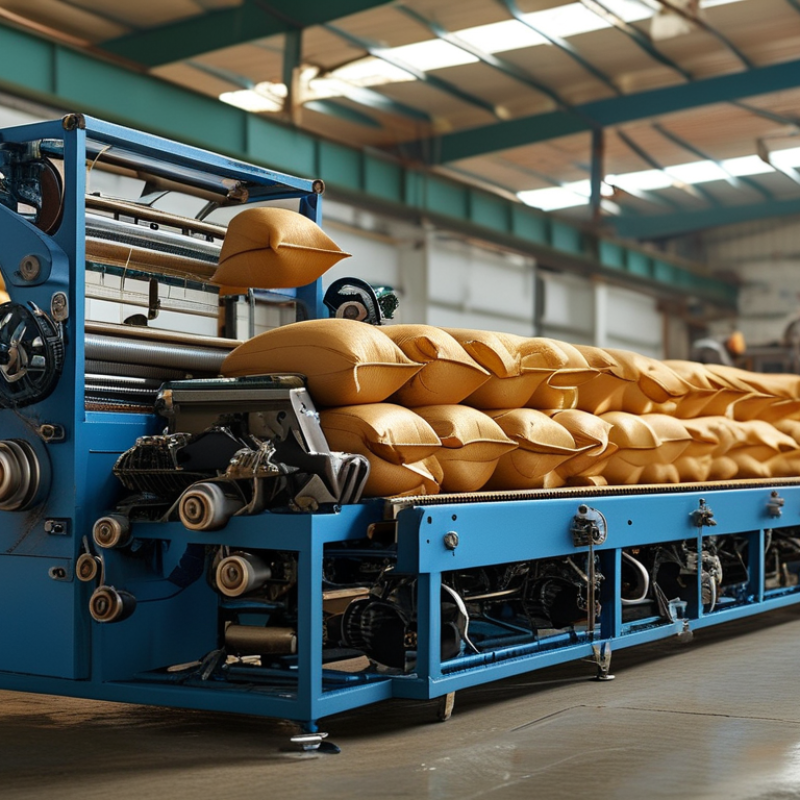
What is a Gunny Bag Making Machine?
A gunny bag making machine is a specialized device that produces durable fabric bags. These bags, often made from jute or other natural fibers, are widely used in agriculture, retail, and packaging industries. The machine operates by weaving threads together, creating a sturdy bag perfect for transporting grains, vegetables, and other heavy materials. Reports indicate that the demand for eco-friendly packaging is driving the growth of this sector, with a CAGR of 5.7% projected from 2021 to 2026.
The process involves various stages. First, raw materials are fed into the machine. The weaving mechanism then interlaces the fibers to form a pliable fabric. Next, the fabric is cut to size, and the bags are stitched using industrial sewing techniques. Efficiency is key, yet manufacturers often face challenges in maintaining consistent quality. Factors such as moisture content in raw materials can impact the durability and strength of the final product.
Despite advancements, some gunny bag production methods are still labor-intensive. This raises questions about efficiency and sustainability in the industry. With fluctuating raw material prices and increasing environmental regulations, producers must navigate complex challenges. As eco-friendly practices evolve, the transition to fully automated processes may become necessary, but the road to achieving this is fraught with operational hurdles.
The Types of Gunny Bag Making Machines Available
Gunny bag making machines are vital in many industries. They produce durable bags, often used for agricultural and industrial purposes. There are several types of these machines, each designed for specific needs. The most common types include manual, semi-automatic, and fully automatic machines. Each has its own set of features and functionalities.
Manual machines require more human intervention. Operators control the entire production process. Semi-automatic machines reduce manual effort. They speed up the process, allowing operators to manage multiple tasks at once. Fully automatic machines are the most advanced. They operate with minimal human input, enhancing production efficiency.
Despite their advantages, buyers should consider their specific requirements. Scale, budget, and production capacity matter. Investing in a machine that doesn’t meet these needs can lead to inefficiencies. The quality of raw materials also impacts the final product. Choosing the right type of gunny bag machine can significantly affect overall workflow and output.
How Gunny Bag Making Machines Operate: A Step-by-Step Process
Gunny bag making machines are pivotal in the packaging industry. These machines operate through a well-defined process that combines functionality with efficiency. Initially, raw materials, typically jute or synthetic fibers, are fed into the machine. The fibers are aligned and spun into yarn, which is essential for creating strong bags. Reports indicate that the global demand for jute bags surged by over 30% in the last five years, highlighting the relevance of these machines.
The next stage involves weaving the yarn into a fabric. This step requires precision to ensure durability. The width and length of the fabric are adjustable based on customer specifications, allowing for versatile product offerings. After weaving, the fabric undergoes cutting, where it’s shaped into individual pieces suitable for bag construction. Studies note that automation in this stage can reduce production time by 25%, significantly increasing output.
Tips: Always monitor the machine's calibration. A slight misalignment can result in fabric wastage. Regular maintenance is crucial to avoid costly downtimes. Ensure operators are trained to handle machinery efficiently. Keeping a log of production errors can help identify recurring issues, leading to improved processes and reduced waste.
Key Features and Components of Gunny Bag Making Machines
Gunny bag making machines are essential for producing durable woven bags. These machines are equipped with various key components that ensure high efficiency and output. Typically, they include weaving looms, stitching machines, and cutting tools. The weaving loom is crucial, as it creates the fabric pattern of the gunny bag. This fabric is durable, making the finished product suitable for various applications.
Stitching machines follow the weaving process. They reinforce the bag's seams, providing additional strength. Cutting tools come into play to ensure that the bags maintain consistent sizes. Regular maintenance of these components is vital for optimal performance. It's important to check them frequently to avoid production halts.
Tips: When selecting a gunny bag making machine, consider the production capacity you require. Make sure to evaluate the machine's energy efficiency. If you notice any irregular fabric patterns during testing, it may indicate a need for calibration or component replacement. Small adjustments can often improve overall output significantly. A well-maintained machine leads to better quality bags and reduced waste.
What is a Gunny Bag Making Machine and How Does It Work? - Key Features and Components of Gunny Bag Making Machines
| Feature | Description | Component | Function |
| Material Feeding System | Automatically feeds raw materials into the machine | Conveyor Belt | Moves materials to the processing area |
| Sewing Mechanism | Stitches the edges of the bag | Heavy-Duty Sewing Machine | Secures the bag structure |
| Cutting Unit | Cuts fabric to required size | Automatic Cutter | Ensures consistent bag dimensions |
| Control System | Monitors and controls machine operations | PLC (Programmable Logic Controller) | Facilitates automation |
| Safety Features | Protects operators from accidents | Safety Guards and Sensors | Enhances operational safety |
Benefits of Using Gunny Bag Making Machines in Manufacturing
Gunny bag making machines play a crucial role in the packaging industry. These machines streamline the production of durable and versatile bags, essential for various sectors. One key benefit is the efficiency they bring to manufacturing processes. Automated machinery reduces manual labor and shortens production time. This means businesses can meet high demand quickly and effectively.
Another advantage lies in cost savings. By producing bags in bulk, companies can lower material and labor costs. The machines are designed for waste reduction, which enhances profitability. Furthermore, the versatility of gunny bags makes them suitable for diverse products, from grains to industrial materials. Investing in these machines can foster sustainability in packaging, as many materials used are environmentally friendly.
However, businesses must address challenges when implementing these machines. Training staff to operate the equipment correctly is vital. Mismanagement can lead to production delays or increased waste. Regular maintenance is necessary to ensure optimal functioning. Balancing cost efficiency and operational effectiveness becomes crucial for long-term success. Such reflections can lead to more knowledgeable decisions in the manufacturing journey.

 English
 Français
 Español
 Deutsch