BLOG

How to Choose the Best Packaging Gift Box in 2026?

Choosing the best Packaging Gift Box in 2026 requires more than attractive colors and a magnetic closure. The box must protect the product, communicate value, and support responsible sourcing. Smithers’ The Future of Global Packaging to 2028 forecasts the global packaging market will exceed $1.2 trillion by 2028. That growth creates opportunity, but also sharper competition. A beautiful box can still fail when its corners crush during delivery.

Material decisions deserve practical attention. Compare paperboard thickness, board grade, coating, insert design, and closure strength. Test a filled box with real products, not empty samples. Check stacking, vibration, moisture exposure, and opening comfort. These details reveal weaknesses quickly. They also reduce avoidable returns and damaged goods.

Sustainability now influences purchasing decisions. McKinsey’s 2023 global consumer research, Sustainability in packaging: Global consumer views, found that 60% to 70% of respondents were willing to pay more for sustainable packaging in several surveyed markets. However, willingness does not excuse vague claims. Request supplier certifications, recycled-content evidence, and clear disposal guidance. The Sustainable Packaging Coalition also emphasizes designing packaging for its full life cycle, from material selection to end-of-life recovery. That principle is useful, although real recycling access varies by region.

The strongest choice balances protection, appearance, cost, and measurable environmental performance. Start with the product’s weight and dimensions. Then match the box structure to the customer’s unboxing moment. A rigid box may suit premium skincare, while recyclable folding carton may better fit lightweight gifts. No checklist is perfect. Suppliers sometimes promise more than they can document. Ask difficult questions, inspect samples, and revise the design before committing to large production.
How to Choose the Best Packaging Gift Box in 2026?

Define Your Gift Box’s Purpose, Audience, and Product Requirements

A gift box should begin with its purpose, not its decoration. In packaging reviews, I ask whether it protects the product, creates anticipation, or supports repeat gifting. These goals need different structures. A delicate ceramic item may require a molded insert and 3–5 millimeters of protective space. A scarf may need tissue, a shallow box, and easier opening. The wrong choice wastes material and weakens the customer experience.

Know the recipient, too. A corporate buyer may value efficient storage and neutral colors. A family shopper may prefer bright details and quick assembly. McKinsey’s 2023 packaging research found that 60–70% of consumers would pay more for sustainable packaging in selected categories. However, intention does not remove practical limits. A heavy magnetic lid can feel luxurious, but it increases shipping weight. I have seen attractive boxes arrive with crushed corners. Premium appearance cannot repair poor testing.

Product requirements should guide every measurement. Record the item’s weight, dimensions, fragility, moisture sensitivity, and opening sequence. Smithers’ “The Future of Sustainable Packaging to 2028” identifies lightweighting and material efficiency as major packaging development priorities. Use recycled paper where it performs reliably, not merely where it sounds responsible. Test the box after stacking, vibration, and one careless drop. Real handling is rarely gentle. A small flaw may remain. That is worth revisiting.

Compare Packaging Materials, Durability, and Protective Features

Choosing the Best Packaging Gift Box in 2026

Material selection affects appearance, strength, and product safety. Recycled paperboard suits lightweight gifts and offers a clean, printable surface. Corrugated cardboard provides better cushioning for ceramic items, candles, or small electronics. Rigid board feels premium, but it adds weight and usually costs more. For humid storage, coated paper can resist moisture, although damaged coatings may peel.

Durability depends on more than thickness. Check the box corners, folds, lid fit, and adhesive points. A strong box should survive stacking without crushing its edges. I test sample boxes with repeated opening, moderate pressure, and a short drop onto a padded floor. This reveals weak seams quickly. Small details matter. A loose lid can damage the product during delivery.

Protective features should match the item, not just the design. Die-cut inserts prevent movement, while tissue paper reduces surface scratches. Foam or molded pulp can absorb impacts around fragile objects. Avoid oversized boxes, because extra space allows shifting. I once selected a beautiful box with weak inner support. It looked impressive, but the contents arrived scratched. That mistake changed my evaluation process. Now, I inspect protection before decoration and request samples before placing larger orders. Even excellent materials cannot compensate for poor internal structure.

Choose the Right Box Size, Structure, and Opening Style

How to Choose the Best Packaging Gift Box in 2026?

Choosing the right gift box starts with the product, not the decoration. Measure its length, width, and height carefully. Add space for tissue, inserts, or protective padding. A box that fits closely feels refined. Too much empty space looks careless and raises shipping costs. I once selected an attractive box that was three millimeters too shallow. The lid pressed against the product. That small error weakened the entire presentation.

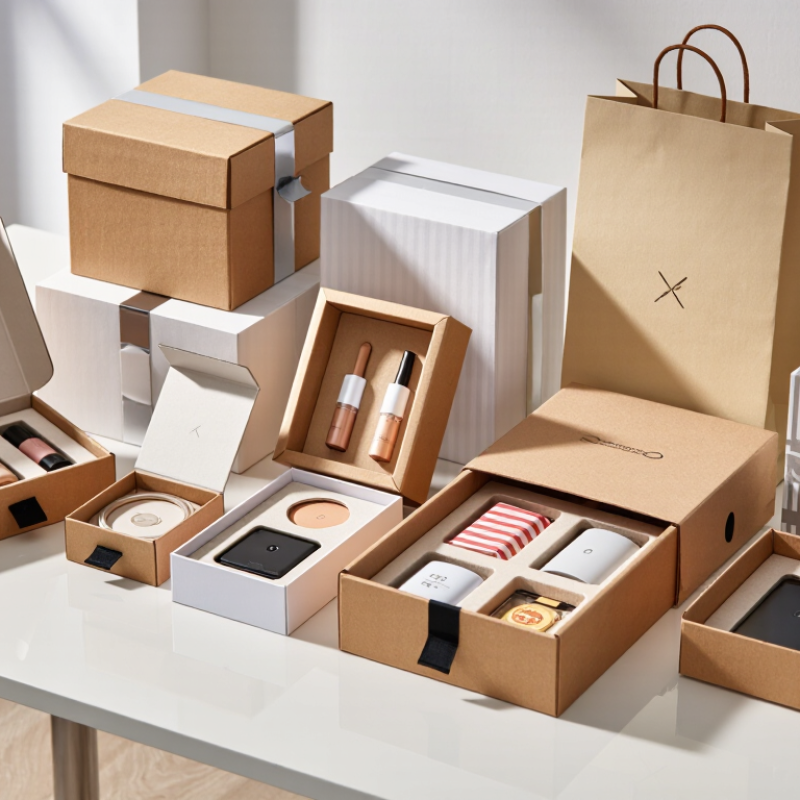
Structure also affects protection and usability. Rigid boxes suit premium gifts and repeated handling. Folding cartons reduce storage space and often lower transport costs. For heavier products, test the corners, base, and lid before approving production. Press each panel gently. Listen for cracking or movement. A magnetic closure feels convenient, but a tuck-end design may be more practical for frequent opening. The best choice depends on how recipients use the box.

Opening style shapes the first few seconds of the experience. A drawer box reveals the product gradually. A lift-off lid creates a more traditional ceremony. A hinged box offers easy access but needs accurate alignment. Test the opening with dry hands and one hand only. Real users may not follow ideal instructions. Do not rely on appearance alone. Make a sample, open it repeatedly, and inspect damaged edges. My own early tests focused too much on appearance. That was a mistake. Practical comfort deserved equal attention.

Evaluate Design, Branding, Sustainability, and Customization Options

How to Choose the Best Packaging Gift Box in 2026?

A strong gift box should communicate value before it is opened. Start with the product’s size, weight, and handling conditions. A rigid box may feel premium, but it can waste material for lightweight items. During a recent packaging test, a beautiful magnetic lid loosened after repeated opening. The design looked impressive, yet it failed in daily use.

Small details matter.

Branding should remain clear, not crowded.

Use consistent colors, readable typography, and one memorable visual element. A short message inside the lid can create a personal moment without increasing production complexity. Request physical samples before approval. Digital images often hide weak edges, uneven printing, or inaccurate colors. Measure the sample, drop-test it, and inspect the finish under natural light.

Sustainability requires evidence.

Ask suppliers about recycled content, material sourcing, coatings, inks, and local recycling guidance. Avoid vague claims such as “eco-friendly” without documentation. Paper-based structures may be easier to recycle than mixed-material designs, but every market handles materials differently. Customization should include inserts, closures, textures, and dimensions. Confirm dielines, minimum order quantities, lead times, and replacement policies in writing. A low unit price can become expensive when excess stock sits unused.

I still prefer a simpler box when an elaborate option adds decoration but no useful protection.

Check Suppliers, Costs, Quality Standards, and Delivery Conditions

How to Choose the Best Packaging Gift Box in 2026?

Choosing a gift box starts with checking the supplier, not the catalog photos. Request a physical sample with the exact paper, coating, insert, and printing method. Ask where materials are sourced and how defects are handled. A reliable supplier should provide production records, inspection reports, and clear contact details. Video audits can help, but they are not enough alone.

Compare the full cost, not only the unit price. Include tooling, artwork changes, packing, freight, taxes, and storage. A cheaper box may use thinner board or weak magnets. Test folding, edge strength, color consistency, and odor before approving production. Check suitable quality standards, such as ISO-based factory controls, material traceability, and applicable packaging regulations. Samples can mislead. I once focused too much on appearance and missed a loose insert.

Delivery conditions need equal attention. Confirm the minimum order quantity, production timeline, inspection date, and shipping responsibility in writing. Request a tolerance range for quantity and acceptable cosmetic flaws. Build extra time for customs clearance, seasonal congestion, and rework. Use protective cartons with moisture control when boxes have rigid parts or delicate finishes. A late delivery can damage a campaign more than a modest price increase. Keep one approved sample with signed specifications, so both sides can compare the final shipment fairly.

Get in touch

Our goal is to provide you with excellent customer service while meeting all of your packaging automation needs. We provide the peace of mind that comes from working with one manufacturer, one service department and one point of contact.