BLOG

What is Offset Printing Inspection and Why It Matters?

Offset printing is a powerful method used by the printing industry. It accounts for about 40% of global print production. However, maintaining quality is essential. That is where Offset Printing Inspection comes in. This process ensures that each print job meets high-quality standards. A report by the Printing Industries of America highlights that quality control can reduce waste by up to 30%.

Proper inspection helps identify issues early. This means that printers can avoid costly reprints. For example, color consistency is crucial in brand recognition. The slightest deviation can lead to customer dissatisfaction. In a market where 75% of consumers judge a company based on print quality, effective offset printing inspection is vital.

Despite advancements in technology, challenges remain. In some cases, manual inspections may miss defects. Regular training for staff can improve detection rates. As the industry evolves, the importance of Offset Printing Inspection will only grow. It is a cornerstone of ensuring that printed materials meet the evolving expectations of consumers and businesses alike.
What is Offset Printing Inspection and Why It Matters?

What is Offset Printing Inspection?

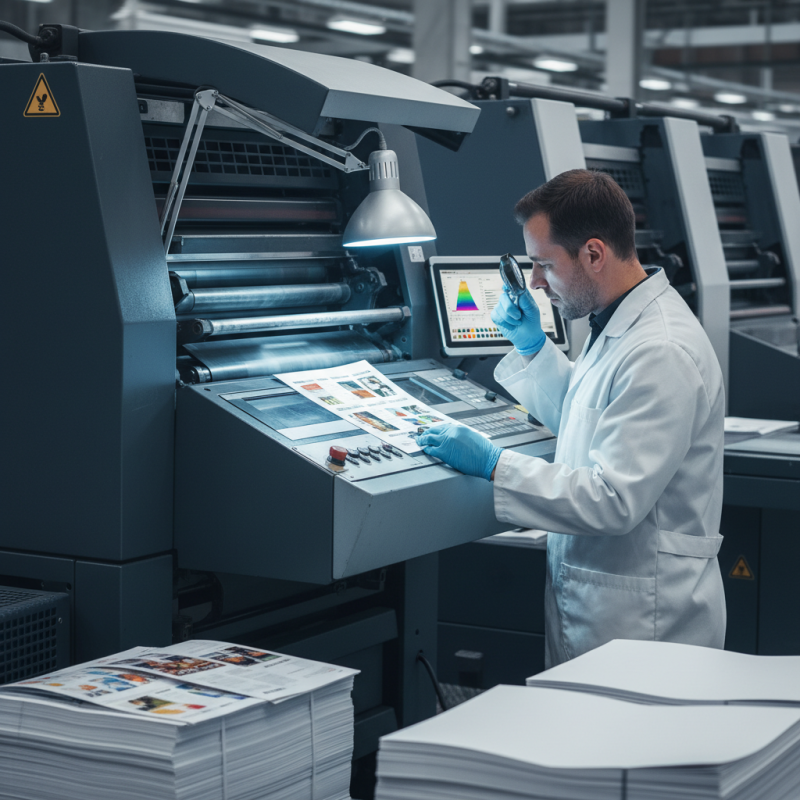
Offset printing is widely recognized for its efficiency and quality. However, the quality assurance process is crucial. Offset printing inspection involves thoroughly checking the printed output against established standards. This ensures that the final product meets client specifications and industry norms.

Data from industry reports indicate that around 30% of print errors occur after the printing process. Common defects include color misalignment and inconsistent ink distribution. Experience shows that regular inspections can reduce these errors significantly, maintaining quality and minimizing waste. Furthermore, implementing stringent inspection measures can reduce reprints by up to 25%, leading to substantial cost savings.

Moreover, offset printing inspection is not just about detecting flaws. It enhances overall production workflows. Automated inspection systems are now in use, providing real-time feedback. These systems help operators adjust settings on the fly, ensuring optimal output. Yet, there are challenges. Many printing companies struggle with integrating new technologies effectively, sometimes leading to oversights. This ongoing need for improvement highlights the dynamic nature of the industry.

The Importance of Quality Control in Offset Printing

Quality control in offset printing is crucial for producing high-quality prints. It includes careful inspection throughout the printing process. Print quality can change due to several factors. Ink consistency, paper quality, and machine calibration are all vital. Regular checks help identify issues before they escalate.

During production, operators should monitor registration, color consistency, and image clarity. An error in registration can result in misaligned prints, affecting the final product. Even minor color deviations can be noticeable. Neglecting these details may lead to customer dissatisfaction. Implementing a structured inspection process gives teams confidence in their work.

However, not all inspections are perfect. Some might overlook small imperfections, which can manifest later. Human error is a reality, and relying too heavily on technology can be misleading. Continuous training and open feedback loops among team members foster improvement. Addressing weaknesses in the inspection process can lead to higher quality standards over time.

Key Components of Offset Printing Inspection Processes

Offset printing inspection is crucial for ensuring high-quality output. This process involves various components that contribute to a successful print run. Key elements include color accuracy, registration, and substrate inspection. Color accuracy ensures that the printed material matches the intended design, while registration checks the alignment of different colors. Any misalignment can lead to visible flaws, detracting from the overall quality.

Substrate inspection is another vital component. The type of paper or material used can affect the final print. Issues like texture and weight can lead to unexpected results. A thorough inspection can prevent costly mistakes. However, many printers overlook this step, which might seem minor but can have significant repercussions.

Print families should be clearly defined and monitored during production. Consistency is essential. Variations in print quality can cause customer dissatisfaction. Inspectors should document their findings. This creates a record that can be reviewed later. Not every print run will meet expectations, and understanding why is essential for improvement. Investing time in these inspection processes can enhance quality and strengthen client relationships.

Common Challenges in Offset Printing Inspection

Offset printing inspection is vital in ensuring quality in printed materials. However, common challenges can complicate this process. One issue is color consistency. Inconsistent ink distribution can lead to variations, resulting in unsatisfactory prints. Another challenge involves registration errors. Misalignment during printing affects the final appearance and can ruin the product. Additionally, substrate variations can impact the print quality, especially with different paper types.

To tackle color consistency, it is crucial to establish a solid color management system. Regular calibration of printing equipment helps maintain uniformity across jobs. Consider implementing routine checks to detect any discrepancies early on. For registration issues, proper setup and alignment checks before printing can save time and resources. Attention to detail during the pre-press phase can mitigate these risks.

Unexpected issues may arise, such as human errors or unexpected machine malfunctions. Regular staff training can help reduce mistakes. Invest time in creating a culture of quality awareness within your team. It is essential to encourage open communication about any challenges faced during inspection. Finding solutions together enhances the overall output quality.

What is Offset Printing Inspection and Why It Matters? - Common Challenges in Offset Printing Inspection

Challenge Description Impact Solution
Inconsistent Color Quality Color variations can occur between different prints or batches. Can lead to customer dissatisfaction and increased waste. Implement color management systems and regular calibration.
Misregistration Images or colors do not align properly on the printed material. Results in a poor visual appearance and potential reprints. Regular adjustments and checks of printing plates and setup.
Paper Quality Issues Variability in paper can affect print quality and consistency. May lead to print defects and customer complaints. Use quality testing for paper before production runs.
Ink Drying Issues Ink may dry too slowly or rapidly affecting the finishing process. Can cause smudging or impaired handling of printed materials. Adjust drying equipment and use appropriate ink formulations.
Equipment Maintenance Lack of regular maintenance can lead to mechanical failures. Increases downtime and production costs. Establish a routine maintenance schedule and training for staff.

Best Practices for Effective Offset Printing Inspection

Offset printing inspection is crucial for maintaining quality. Effective practices can significantly reduce errors, ensuring consistent output. According to a report by the Print Quality Assurance Association, 30% of printing defects arise from insufficient inspection processes.

Adopting a robust inspection system can limit these defects. One key practice includes utilizing automated quality control systems. These systems can detect issues in real-time, enhancing efficiency. Human inspection still plays a role, but it must be paired with technology for optimal results. This combination typically leads to a 50% reduction in rework, as indicated by recent industry studies.

Regular training for staff is another vital aspect. Knowledgeable personnel can identify subtle flaws that machines might miss. This expertise enhances the overall quality of printed materials. Reports suggest that only 60% of staff in the industry receive adequate training in quality control. As a result, there’s a need for continual improvement in training programs. Investing in education and technology not only improves inspection but also builds a culture of quality within the organization.

Offset Printing Inspection Metrics

Get in touch

Our goal is to provide you with excellent customer service while meeting all of your packaging automation needs. We provide the peace of mind that comes from working with one manufacturer, one service department and one point of contact.