
How to Source High Quality Hard Candy for Global Markets?
The global confectionery market continues to expand, with the Hard Candy segment seeing significant growth. According to recent industry reports, hard candy represents approximately 20% of the global candy market, with an expected CAGR of 3.5% over the next five years. This reflects a robust demand for diverse flavors and innovative packaging.
Sourcing high-quality hard candy for global markets requires understanding consumer preferences. Research shows that 75% of consumers prefer candies that offer unique textures and flavors. However, challenges exist in maintaining consistency and quality across different regions. Cost fluctuations and local regulations can complicate sourcing strategies.
When considering suppliers, it is essential to evaluate their quality certifications and production standards. Many suppliers claim to deliver premium products, yet only a few meet stringent quality benchmarks. Ensuring reliability is key. Innovating within this segment involves balancing tradition and modern consumer expectations. The landscape is filled with opportunities and risks that demand careful navigation and reflection.
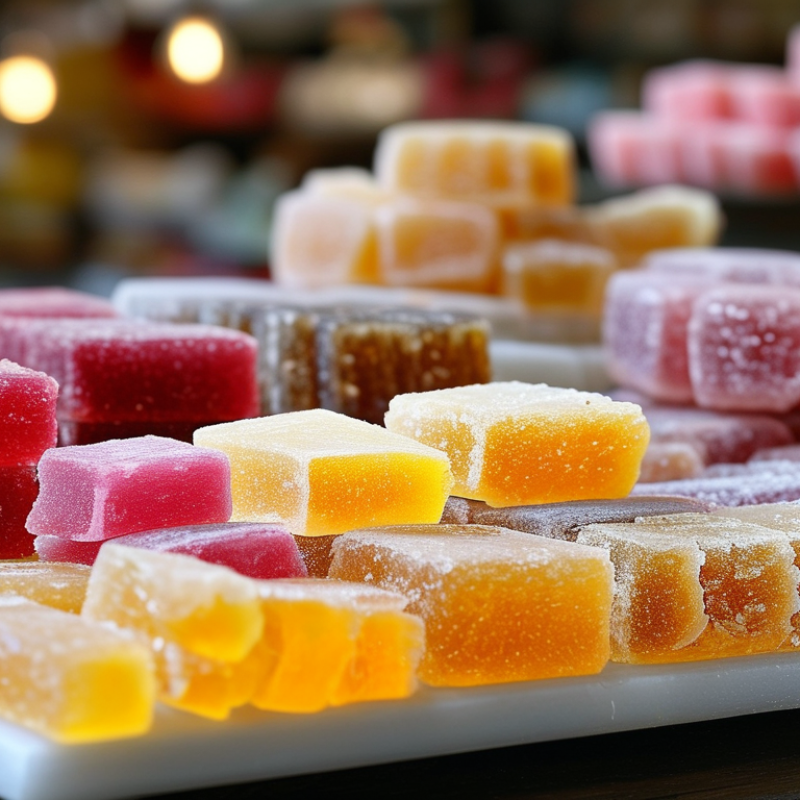
Understanding the Global Hard Candy Market Landscape
The global hard candy market is diverse and ever-evolving. Many consumers seek innovative flavors and healthier options. Different regions have unique taste preferences, influenced by local cultures. Hard candy manufacturers must stay informed about these trends. This requires research and direct engagement with consumers to ensure the right products reach the market.
Sourcing high-quality ingredients is essential for creating appealing hard candies. Many suppliers offer competitive pricing, but not all provide the same level of quality. Evaluating suppliers takes time and should involve tasting samples. Understanding the origins of ingredients can highlight ethical sourcing practices. Price often reflects quality, but it’s crucial to balance costs with standards.
Navigating regulations in various regions can be complex. Each market has different requirements for ingredients and labeling. Businesses must invest in understanding these laws to ensure compliance. This can feel overwhelming, and mistakes can lead to costly fines. Reflecting on past experiences can guide better future decisions. There is always room for improvement in the sourcing process.
How to Source High Quality Hard Candy for Global Markets?
| Country | Market Size (USD Billion) | Growth Rate (%) | Key Ingredients | Major Distribution Channels | Popular Flavors |
|---|---|---|---|---|---|
| United States | 5.8 | 3.2 | Sugar, Corn Syrup, Flavoring | Supermarkets, Online Retail | Cherry, Lemon, Orange |
| Germany | 3.2 | 2.8 | Glucose, Natural Colors | Convenience Stores, Wholesale | Apple, Mint, Cola |
| China | 8.1 | 4.5 | Sugar, Maltose, Flavors | E-commerce, Traditional Markets | Pineapple, Strawberry, Melon |
| India | 2.0 | 6.1 | Jaggery, Natural Sweeteners | Local Stores, Online Platforms | Cardamom, Mango, Rose |
| Brazil | 1.5 | 3.0 | Cane Sugar, Food Colors | Supermarkets, Street Vendors | Guava, Passion Fruit, Coconut |
Identifying Key Qualities in High-Quality Hard Candies
When sourcing high-quality hard candy for global markets, it's essential to identify key qualities that set the best products apart. First, consider the ingredient transparency. Premium hard candies use natural ingredients without artificial additives. According to recent industry reports, about 70% of consumers prefer candies with a minimal ingredient list. This trend reflects a growing interest in health and wellness.
Texture and consistency play a significant role as well. High-quality hard candies should have a smooth finish and be free of air bubbles. These qualities ensure a pleasant mouthfeel and even flavor distribution. Unfortunately, many manufacturers cut corners, leading to inconsistencies. Quality control measures are vital for maintaining standards.
Tip: Always request samples before making large orders. This allows you to assess the taste and texture firsthand. Additionally, consider exploring regional flavor profiles. Unique flavors can appeal to diverse markets.
Another crucial factor is packaging. Eye-catching designs can enhance marketability. According to market analysts, 40% of candy purchases are influenced by packaging. Yet, sustainable packaging is equally important. Consumers are increasingly concerned about environmental impact. Evaluating packaging solutions can be a reflection of a brand's commitment to quality and responsibility.
Sourcing Strategies for Quality Ingredients and Suppliers
Sourcing high-quality hard candy involves careful selection of ingredients and reliable suppliers. Start by identifying local and global suppliers known for their commitment to quality. Look for suppliers who have experience in the candy industry. Check their certifications to ensure compliance with safety and quality standards.
In your search, consider sourcing organic or natural ingredients. These options meet growing consumer demand for healthier choices. Reach out to potential suppliers and request samples to evaluate taste and texture. This hands-on approach provides valuable insight into the quality of their products.
To build strong relationships, communicate clearly and establish expectations. Regular visits to manufacturing sites can foster trust and transparency. Be prepared for challenges, such as inconsistent supply or ingredient availability. Always have a backup plan in place. Reflect on your experiences to adapt your strategies and improve your sourcing process over time.
Navigating International Regulations and Standards for Candy
Navigating international regulations for hard candy can be complex. Different countries have unique standards. Understanding these is crucial for success in global markets. Compliance ensures that your products can reach consumers safely.
Tips: Investigate the specific regulations in target markets. Focus on labeling requirements, ingredient restrictions, and safety standards. This research helps avoid costly mistakes.
Keep in mind that approvals can take time. Engage local experts to expedite the process. They understand nuances that can be overlooked. Consistent communication with regulatory bodies can build relationships too.
Testing your candies in the intended markets is vital. Gather feedback to ensure you meet local tastes and preferences. Adjustments may be necessary based on this data. Remember, patience and adaptability are key in this industry.
Building Relationships with Distributors for Global Reach
Building strong relationships with distributors is crucial for successfully sourcing high-quality hard candy in global markets. It starts with understanding the local tastes and preferences. What works in one region may not resonate elsewhere. Engage with distributors who have a solid grasp of these nuances. They can provide valuable insights into consumer behavior and market trends.
Trust is vital. Be transparent about your sourcing processes. Distributors need confidence in your product quality. This relationship will benefit you in the long run. In fact, nurturing these ties can lead to exclusive deals or better pricing options. Frequent communication is key. Check in regularly and ask for feedback on your products. This creates a sense of partnership.
However, not every collaboration will flourish. Sometimes, cultural differences create misunderstandings. Be open to feedback but also willing to share your expertise. Reflect on what might not be working. Adaptation is necessary. Each market has its unique challenges and opportunities. Embrace these as you build your international candy business.