BLOG

Top 10 Food Packaging Machine Manufacturers in China

China’s food packaging machine industry has become a practical choice for food processors worldwide. Its manufacturers offer filling, sealing, labeling, wrapping, and inspection equipment. Many factories now combine servo motors, touchscreen controls, and automated quality checks. Yet impressive specifications do not guarantee reliable production.

Walter Soroka, author of Fundamentals of Packaging Technology, describes packaging as “a system, not merely a container.” This idea matters when evaluating a food packaging machine. A fast machine still needs stable film feeding, accurate dosing, simple cleaning, and accessible spare parts. Operators notice these details every shift. They also notice poor documentation.

This guide presents ten leading Chinese manufacturers and compares their strengths, product focus, customization ability, and service coverage. The selection considers real production needs rather than marketing language alone. It examines whether machines suit powders, liquids, granules, frozen foods, snacks, or ready meals. Different products demand different contact materials, sealing temperatures, and hygiene designs.

Some conclusions may remain imperfect. Public performance data is not always consistent. Customer support can vary by region and project size. A manufacturer with excellent machinery may still be the wrong fit for a small workshop. Buyers should request factory demonstrations, sample testing, warranty terms, and maintenance records before making decisions. That extra work is worthwhile.

The best food packaging machine is not always the fastest. It should match the product, workforce, floor space, budget, and long-term maintenance plan. These manufacturers deserve attention, but careful verification remains essential.
Top 10 Food Packaging Machine Manufacturers in China

Industry Scope and Selection Criteria for Chinese Food Packaging Machine Makers

Top 10 Food Packaging Machine Manufacturers in China

China’s food packaging machine sector covers filling, sealing, wrapping, labeling, vacuum packing, and cartoning equipment. Manufacturers serve small workshops, central kitchens, and high-volume processing plants. The right choice depends on product texture, package format, production speed, and cleaning requirements. A powder needs different feeding control than a liquid or sticky sauce.

Selection should begin with a documented factory review. Check machining quality, electrical assembly, welding points, and access to food-contact parts. Ask for test runs using your actual product, film, pouch, or tray. Observe seal strength, filling accuracy, changeover time, and rejected packages. Small details matter. A difficult cleaning area can create downtime every shift.

Reliable makers provide clear drawings, spare-parts lists, operating manuals, and practical training. Confirm material certificates, safety documentation, and suitability for the destination market. Service response also deserves attention, especially for remote factories. A low purchase price may hide expensive maintenance. No shortlist is flawless. I would record both proven strengths and unresolved questions before selecting among the top ten Chinese manufacturers. Availability of local technicians, software support, and realistic delivery schedules should influence the final decision.

Leading Chinese Manufacturers and Their Core Packaging Technologies

China’s leading food packaging machine manufacturers are moving beyond speed alone. Their strongest advantage is integrated engineering: servo-driven filling, multihead weighing, vertical and horizontal form-fill-seal systems, cartoning, case packing, and inline inspection. These technologies support snacks, frozen foods, grains, sauces, and ready-to-eat products with different textures and moisture levels.

The International Federation of Robotics reported 276,288 industrial robot installations in China in 2023, representing more than half of global installations. This industrial base supports faster machine development and wider use of robotic loading, automatic changeovers, and vision inspection.

In practical factory tests, servo synchronization can reduce film waste during startup, while checkweighers help control giveaway. Small gains matter.

Flexible automation is becoming essential. The PMMI State of the Industry reports continued investment in automation, labor reduction, and connected equipment across packaging operations. Chinese manufacturers increasingly offer PLC-based control, remote diagnostics, recipe storage, and data tracking through industrial networks. Modified-atmosphere packaging and vacuum systems also improve protection for meat, produce, and prepared meals.

Yet performance claims require caution. A machine running 120 packs per minute may slow sharply with sticky fillings or unstable film. Operators still influence uptime. Sanitary design, tool-free cleaning, sealing consistency, and spare-parts access deserve equal attention. The best selection process should test real products, not only empty pouches in a showroom.

Machine Categories, Applications, and Production Capabilities

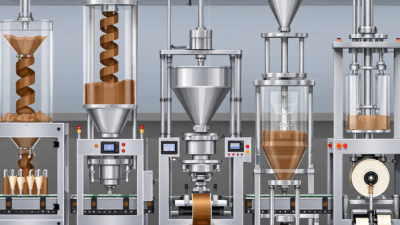
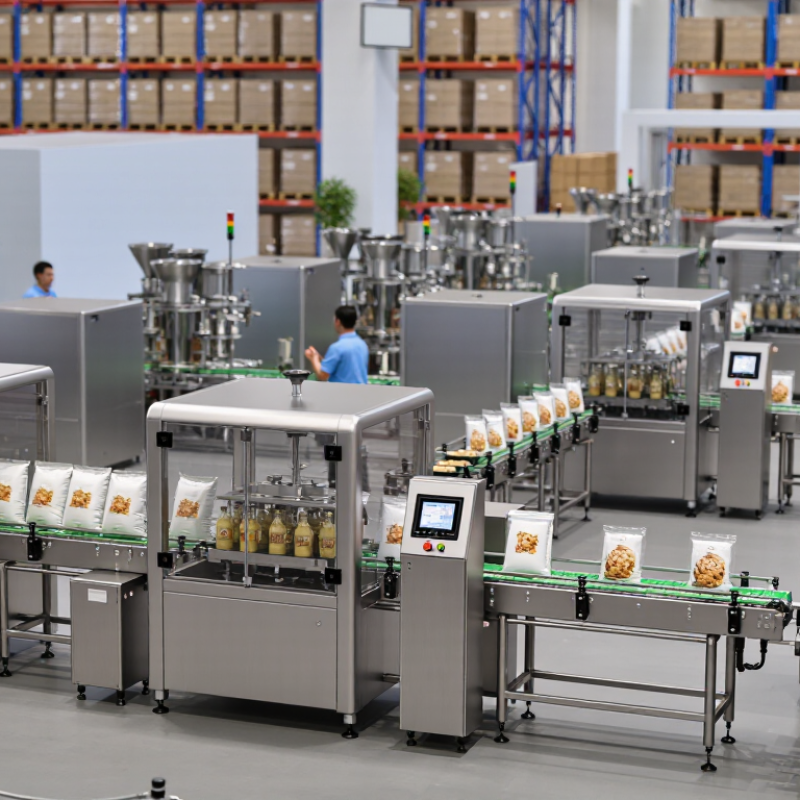
Food packaging machinery in China spans several distinct categories. Form-fill-seal systems make bags from roll film, then fill and seal them; they suit snacks, powders, and liquid foods. Cup and tray fillers handle yogurt, sauces, and ready meals. Vacuum and modified-atmosphere machines remove or replace air, while cartoners and case packers prepare sealed products for transport. The right setup depends on product texture, portion size, packaging material, and required line speed. Small sachets and sticky sauces create very different engineering demands.

Production capability means more than a headline speed. Buyers should check changeover time, dosing accuracy, cleanability, and whether conveyors and inspection equipment integrate smoothly. A line may run fast in a factory test, yet lose output during frequent product changes. Real production is messier. MarketsandMarkets’ Packaging Machinery Market report estimated the global market at USD 45.7 billion in 2023, with a forecast of USD 59.2 billion by 2028. That growth points to sustained investment, but does not guarantee suitability for any one plant. When comparing manufacturers, request application-specific trials using the intended product and packaging, plus measured output and reject rates. Those details reveal more than a catalogue specification.

Quality Standards, Customization Options, and After-Sales Support

When comparing food packaging machine manufacturers in China, look beyond a polished product brochure. Quality standards should be supported by clear inspection records, material specifications, and documented tests on the machine you plan to buy. Ask how sealing temperature, filling accuracy, and production speed are checked. Request a sample run using your actual product and packaging film. Small details matter.

Customization can cover bag dimensions, dosing systems, date coding, and conveyor layout. Share product photos, target output, and packaging samples before requesting a quotation. A machine designed for dry grains may not handle sticky foods well. Ask for changeover steps and cleaning access, too. These are easy to overlook. Some buyers focus only on speed, then discover that a complicated format change slows daily production.

After-sales support is part of the purchase, not an optional extra. Confirm response hours, spare-parts availability, remote troubleshooting, and on-site service terms in writing. Ask for training materials and a clear list of recommended wear parts. If possible, speak with a customer using a similar line. Compare the support promise with practical details, such as time-zone coverage and shipping estimates. No supplier can prevent every stoppage, and service claims deserve careful verification. A plain answer is often more useful than a perfect sales pitch.

How to Compare and Choose a Suitable Chinese Packaging Machine Manufacturer

When reviewing the Top 10 Food Packaging Machine Manufacturers in China, compare more than catalog prices. Start with your product, package size, filling accuracy, and required production speed. Ask for a live test using your actual materials. A machine that handles powder may struggle with sticky sauce or fragile snacks. Small details matter.

During factory visits, inspect welding quality, electrical cabinets, guarding, and cleaning access. Request documents for food-contact materials, safety testing, and quality management systems. Check whether the manufacturer can provide installation records and traceable spare parts. Speak with two or three existing customers, preferably with similar production conditions. Their maintenance experience may reveal more than a polished showroom.

Do not judge reliability from a low quotation alone. The offer should list motors, sensors, software functions, tooling, shipping terms, training, and warranty limits. Ask how quickly technicians respond when a sealing jaw fails during a night shift. Remote support is useful, but not always enough. I have seen buyers overlook changeover time, then lose hours every day. That mistake is easy to repeat. A clear acceptance test, staged payment plan, and written performance targets reduce uncertainty. Still, no checklist replaces careful communication. If your requirements are incomplete, even a capable manufacturer may deliver the wrong solution.

Get in touch

Our goal is to provide you with excellent customer service while meeting all of your packaging automation needs. We provide the peace of mind that comes from working with one manufacturer, one service department and one point of contact.